Warm Lighting = Calm Interiors

What is warm light?
When you think about lighting color, you might first imagine a strand of multicolor Christmas lights strung around the house. While these can certainly inspire a warm feeling, this concept actually focuses on the color temperature of white light.
While it may seem subtle, color temperature has a remarkable effect on our mental state. Warm white light color has a soft yellow-orange hue that's easy on the eyes and restful for the mind. The term "mood lighting," typically describes warm lighting that sets a relaxed mood. Cool lighting, by contrast, helps keep us awake and alert, and is best used in task-focused spaces like home offices. While this is excellent when you need to stay on task, it's less convenient when you need a break from it all.
How do I know if a light fixture will have warm vs cool white light?
Bulbs and fixtures designed for warm lighting are labeled as having a color temperature of 3000 Kelvin and below, contrasting with neutral lighting between 3000-4500K and cool lighting at temperatures above 4500K.
While that sounds technical, just remember that the lower the color temperature, the warmer the actual hue of the light. A candle glows warmly at about 1000K, while daylight is much cooler at about 5000K.
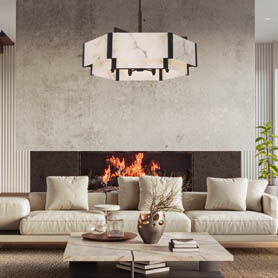
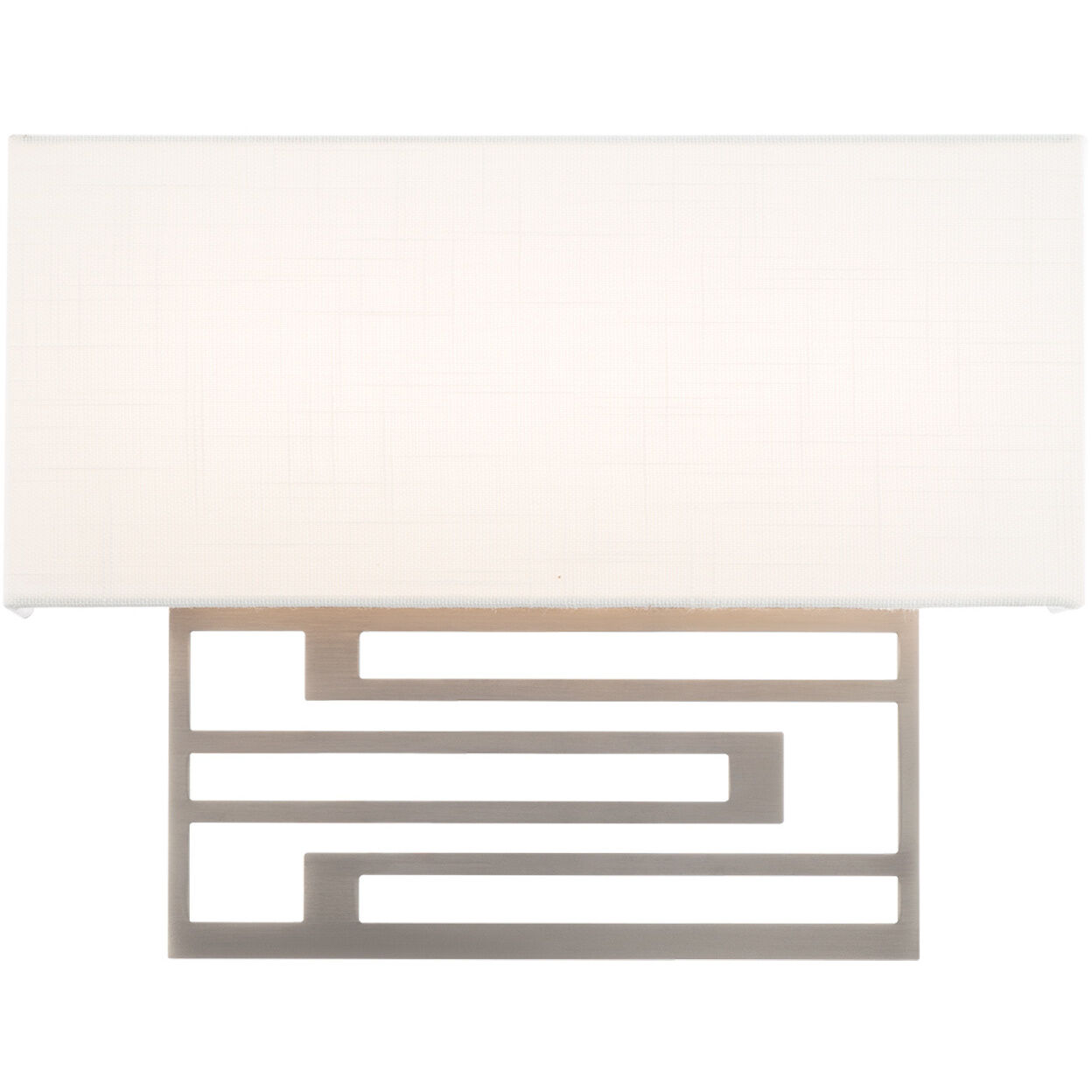
Lighting color isn't just influenced by the bulb itself. A warm, natural lampshade or other feature used to diffuse light will add warmth to the glow of any lamp. Alabaster is a popular material that becomes an unexpected source of warmth when lit from behind.
Where should I use warm lighting?
Warm lighting makes a space calm, restful, and inviting. This makes it the perfect way to illuminate your living room, bedroom, and dining room.