


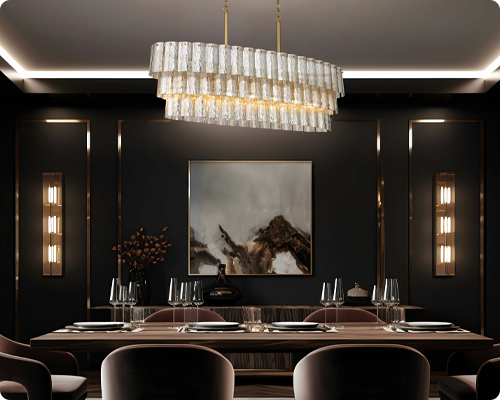
The Statement Fixture
How to Know When It Is Right
The most common statement-light mistake is choosing from a close-up product image without considering the room's full view. A fixture can be beautiful and still be wrong for the ceiling height, table width, or visual traffic around it.
A statement fixture is right when it anchors a specific zone, fits the room's visible proportions, preserves important sightlines, and works with the other light sources instead of replacing them.
Expert Tips
Measure the furniture or zone the fixture will anchor, not only the room perimeter.
Mock up the lowest point with painter's tape or a hanging paper template.
Check the fixture both switched on and off; its daytime silhouette matters too.

Test Scale in the Actual View
Record ceiling height, table or island dimensions, and the distance from the main doorway. Then create a simple paper or cardboard outline at the proposed size. This reveals whether the fixture feels confident, underscaled, or intrusive before installation.

Plan the Support System
A statement chandelier may set the mood but leave corners or work surfaces dim. Add lamps, sconces, or undercabinet light for specific tasks. Confirm the canopy, weight, mounting requirements, bulb access, and dimmer compatibility with the product documentation and your installer.
Frequently Asked Questions
Q: How big should a statement chandelier be?
A: There is no single formula for every room. Start with the furniture or zone it anchors, then evaluate ceiling height, open space, and sightlines.
Q: Can a small room have a statement fixture?
A: Yes. Choose a memorable silhouette with controlled depth and visual openness so it adds character without crowding the room.
Top Recommendations


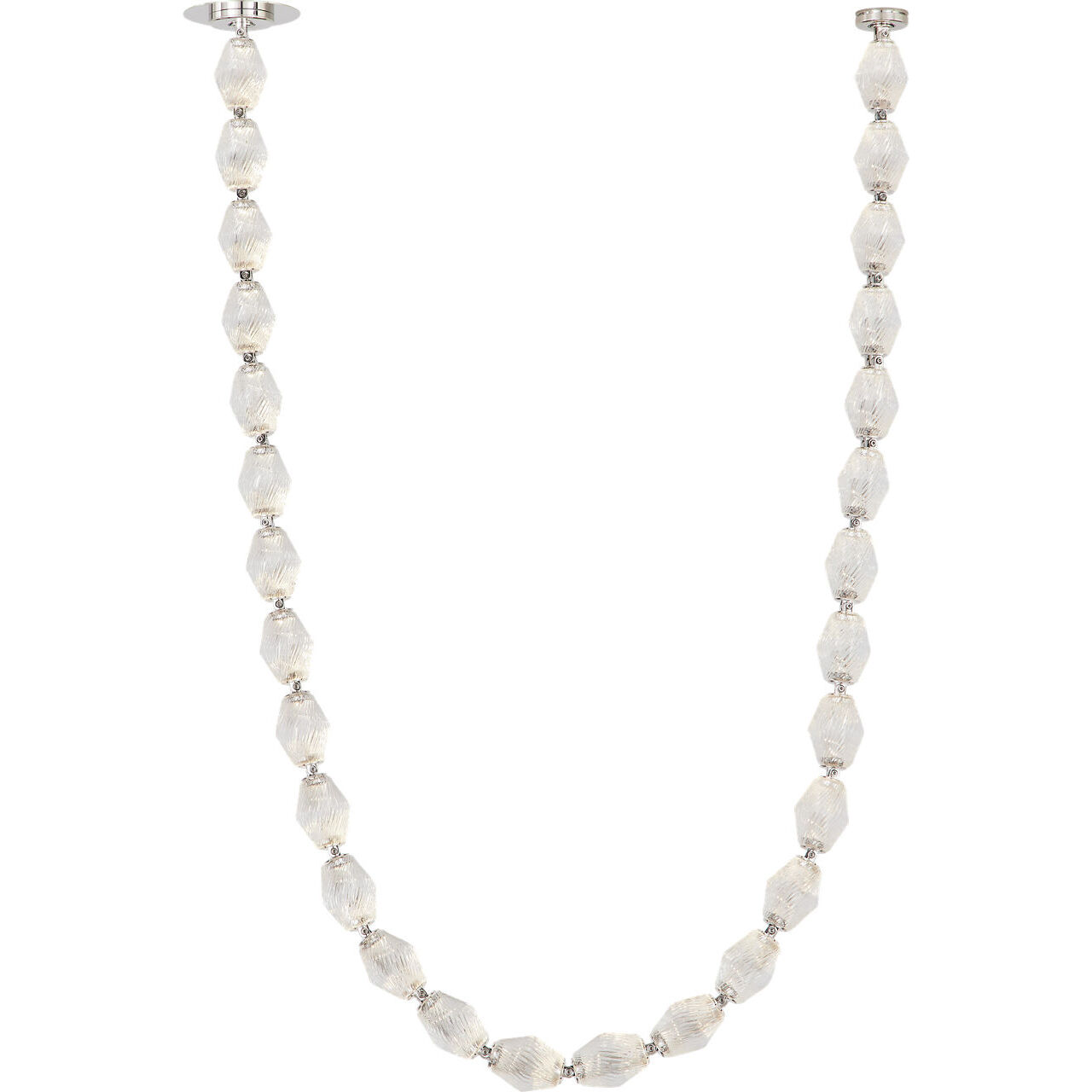


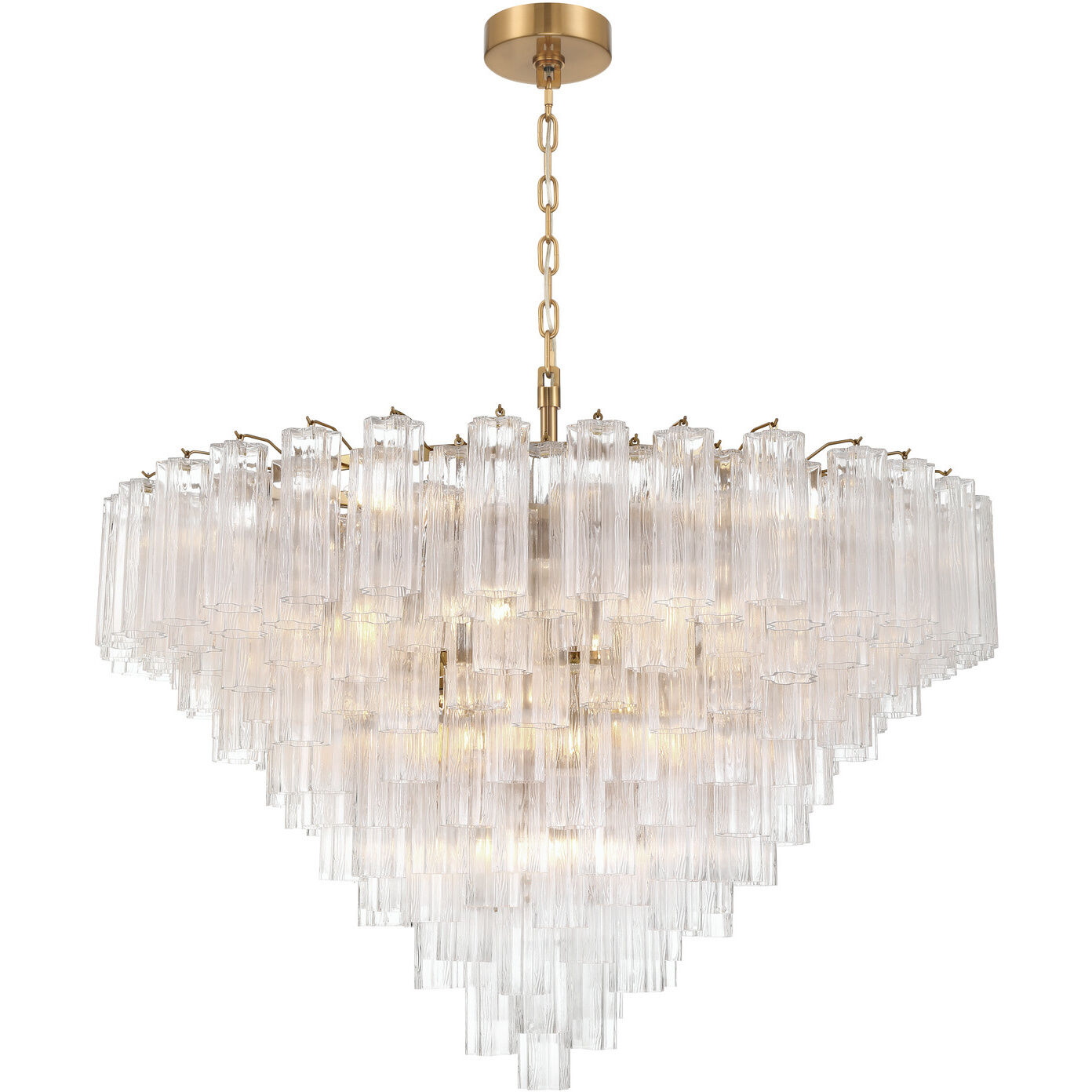

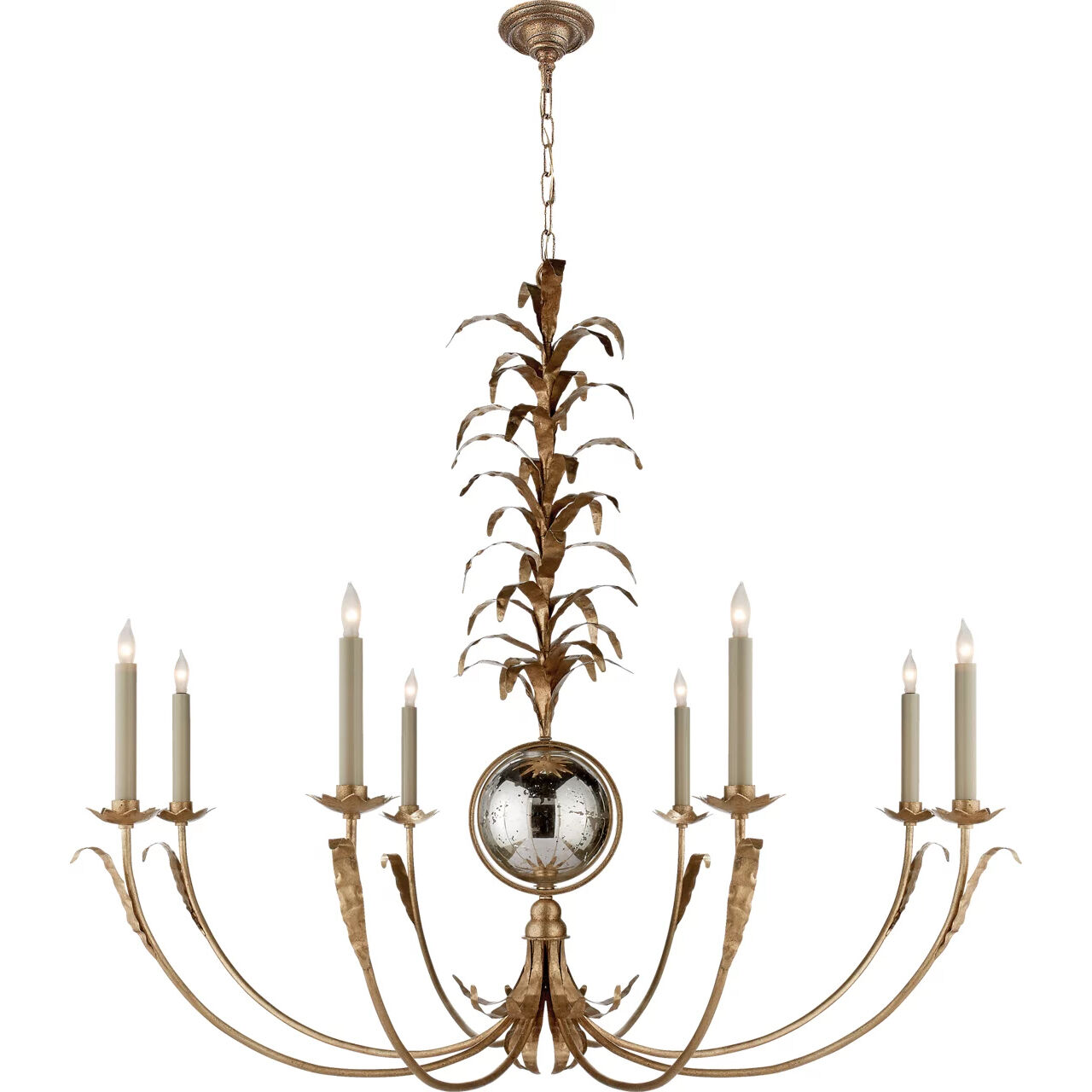
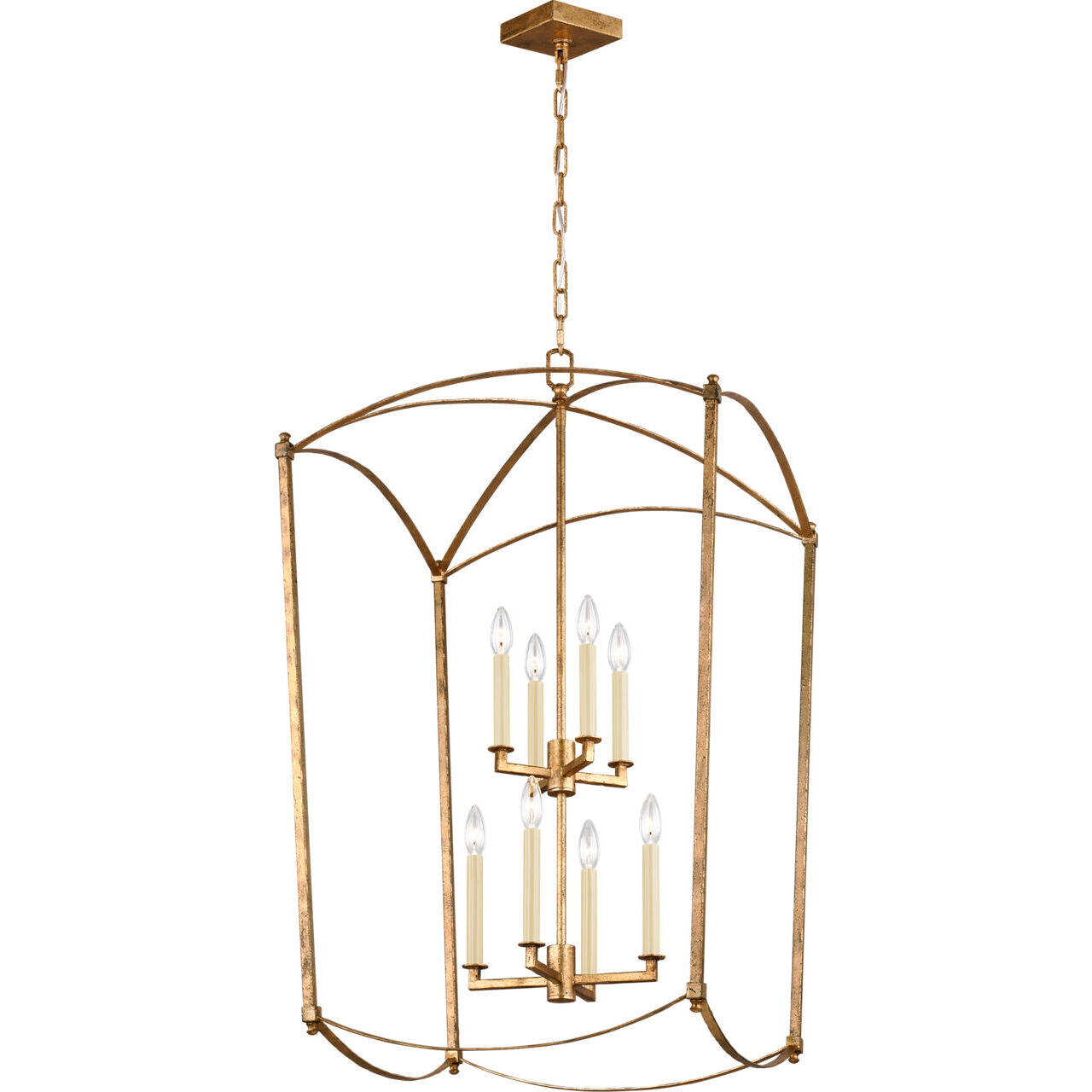

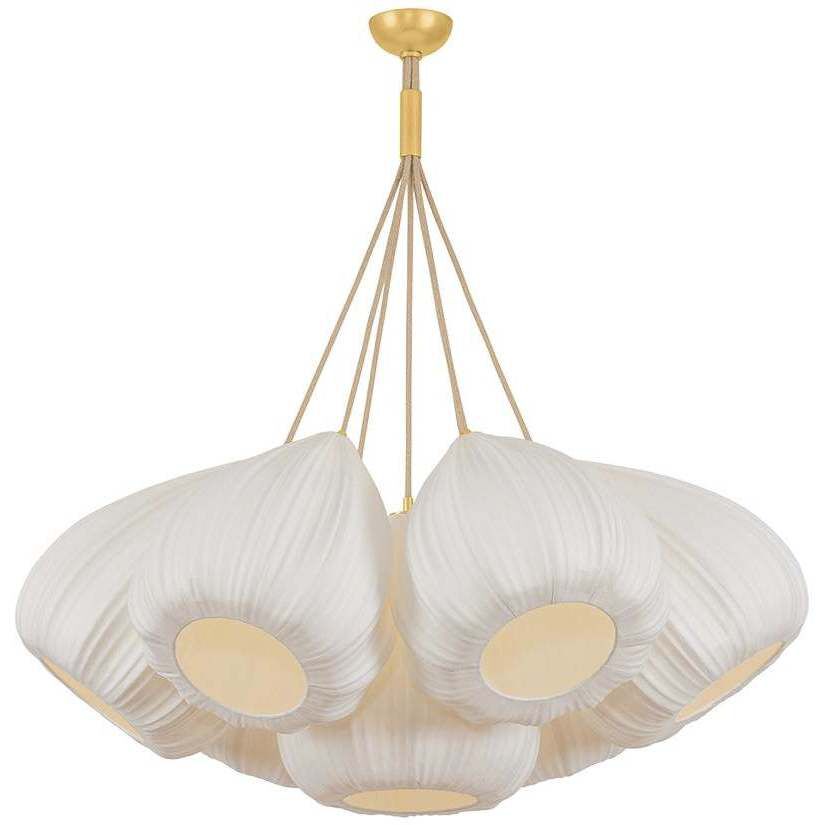
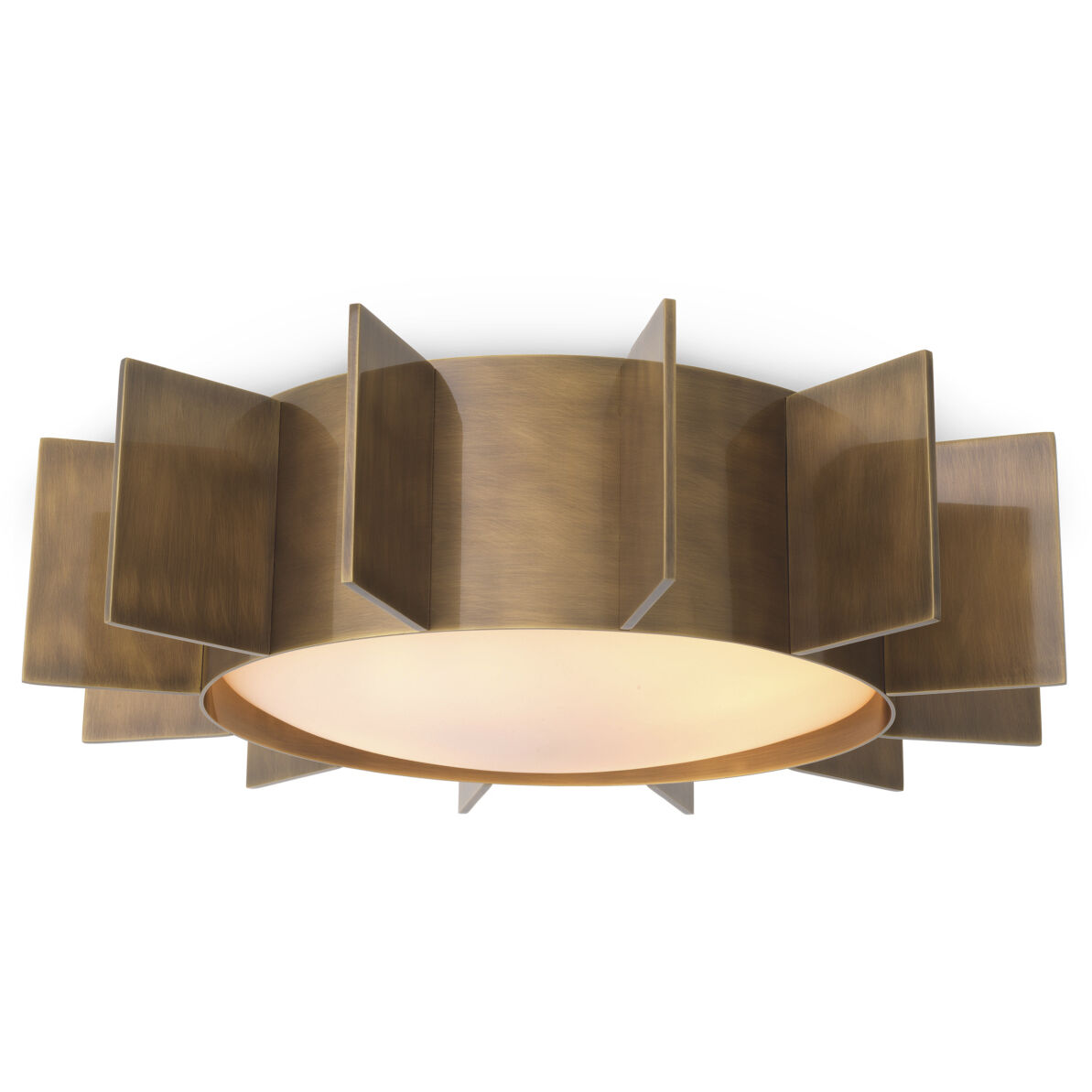
Explore More Statement Fixtures

Visual Comfort Signature Collection

Modern Forms

Modern Forms

Justice Design

Justice Design

Visual Comfort Signature Collection

Justice Design

Corbett Lighting

Troy Lighting

Justice Design

Justice Design

John-Richard


Justice Design

Corbett Lighting

Schonbek

Justice Design

Corbett Lighting

Hubbardton Forge

Corbett Lighting

Troy Lighting

Crystorama