


Lighting That Looks Like Art
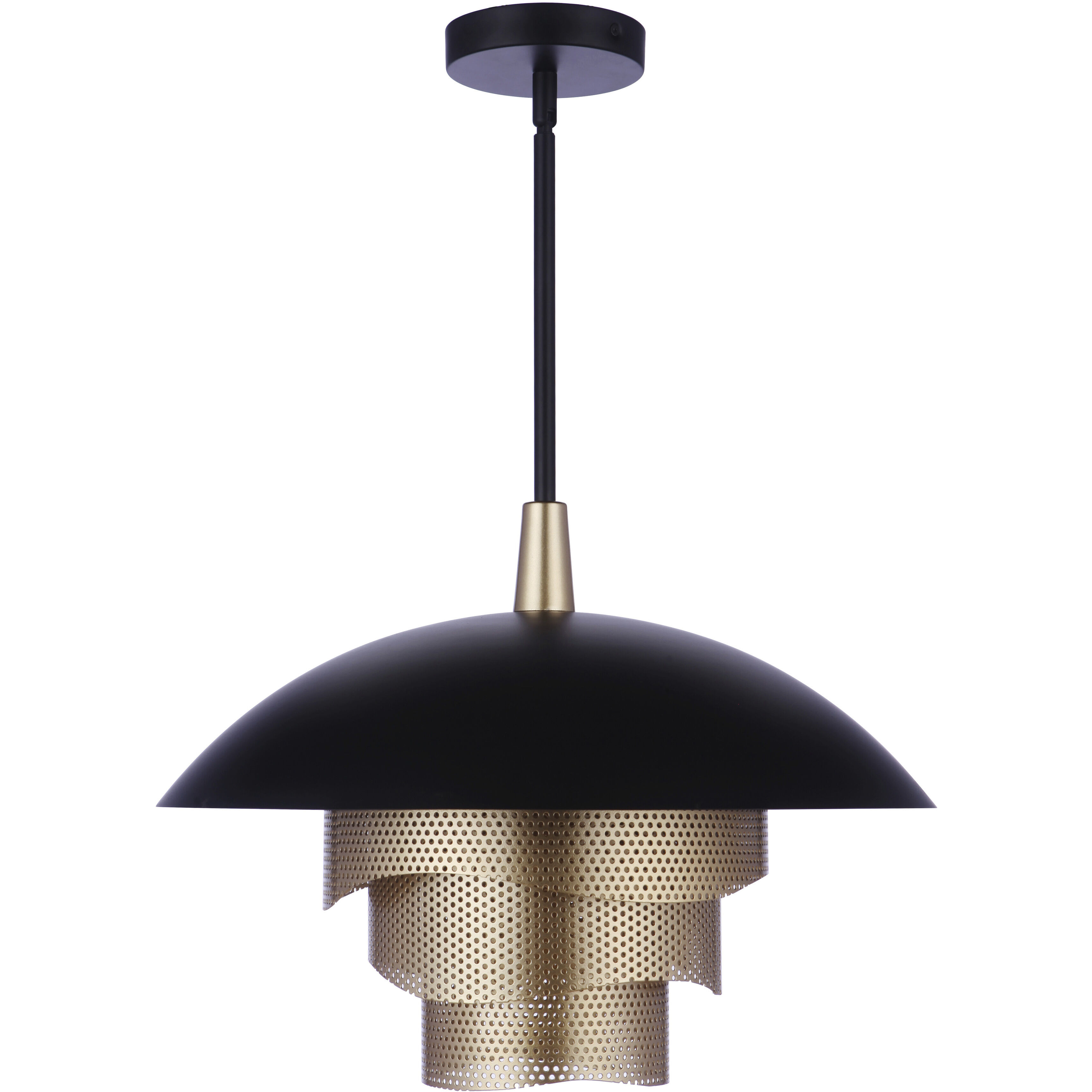
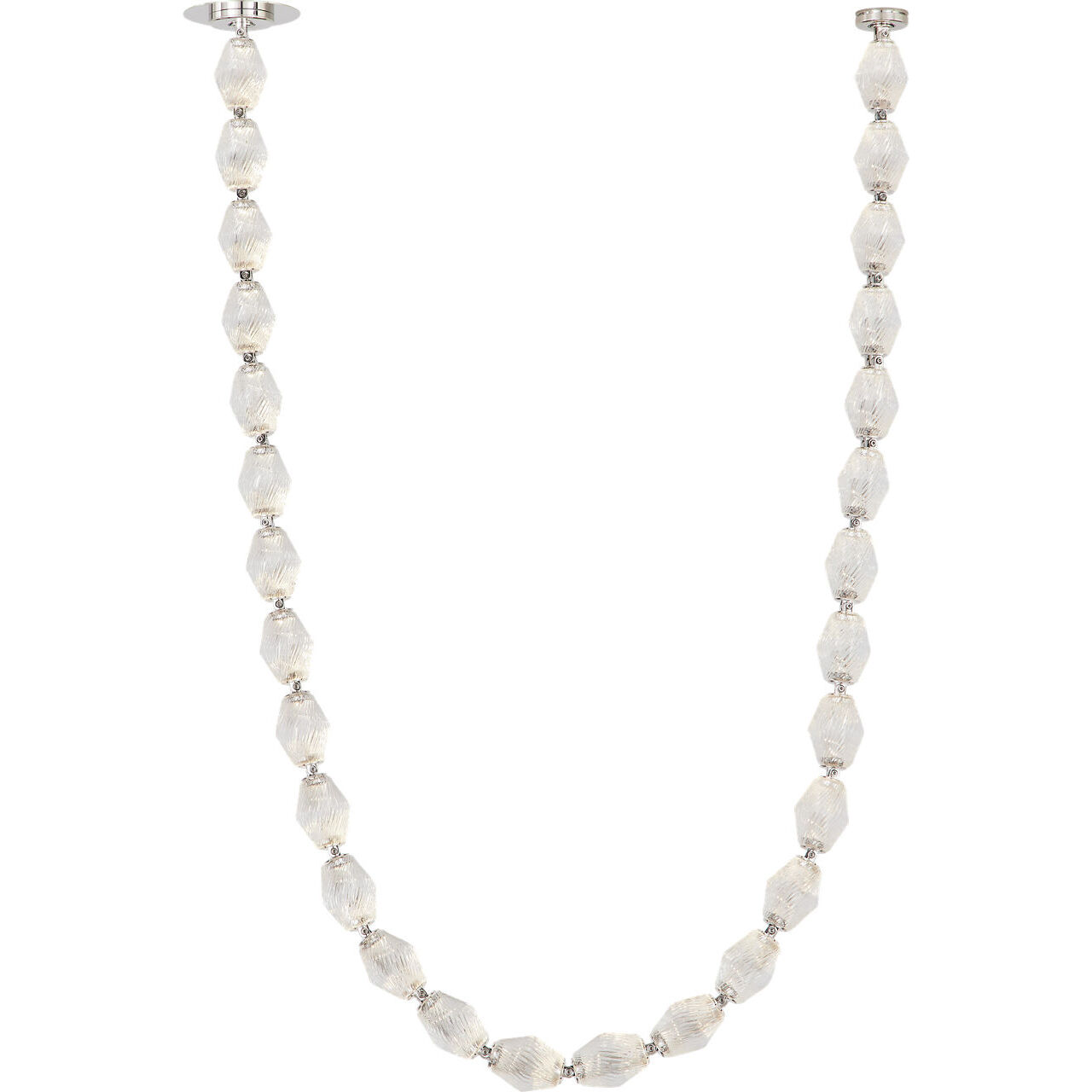
Sculptural profiles, handcrafted surfaces, and expressive material pairings are among the clearest lighting directions of 2026. These fixtures work best when their negative space and viewing angles are planned as carefully as their light output.
Treat sculptural lighting like three-dimensional art. Check the silhouette from the room's main entrances, leave open space around it, and add quieter supporting light so the statement piece does not have to perform every task.
Expert Tips
- Photograph or sketch the fixture from the primary doorway before finalizing scale.
- Consider the ceiling and wall shadows as part of the composition.
- Keep nearby fixtures simpler or repeat only one material from the hero piece.
- Shop for the silhouette first, then confirm how the fixture distributes light.
- Pair a sculptural chandelier with discreet lamps or sconces that handle reading, dining, and circulation.

Choose a Form That Earns the View
Organic branches feel animated, rings read architectural, and clustered glass creates sparkle and movement. The right choice should strengthen the room's existing geometry rather than simply fill empty ceiling space. In an open plan, also consider the fixture's side profile.

Separate Visual Drama from Useful Light
Some artful fixtures provide broad ambient light; others are primarily decorative. Read the lumen, lamping, and diffusion information, then add task lighting where the room needs clarity. This protects the artistic effect from being over-brightened.
Frequently Asked Questions
Q: Can a statement light replace wall art?
A: Yes, when its form creates a strong focal point and the surrounding wall or ceiling gives it enough space to read clearly.
Q: Does sculptural lighting need to be large?
A: No. Distinctive shape, material, or shadow can make a smaller sconce or lamp feel artful.
Top Recommendations




Explore More Sculptural Lighting Designs


Innovations Lighting

Maxim Lighting


Capital Lighting

Capital Lighting


Schonbek

Capital Lighting


Savoy House

Innovations Lighting

Troy Lighting

Livex Lighting

Troy Lighting

Savoy House


Justice Design