


The Ultimate 2026 Room-by-Room Lighting Standards Guide
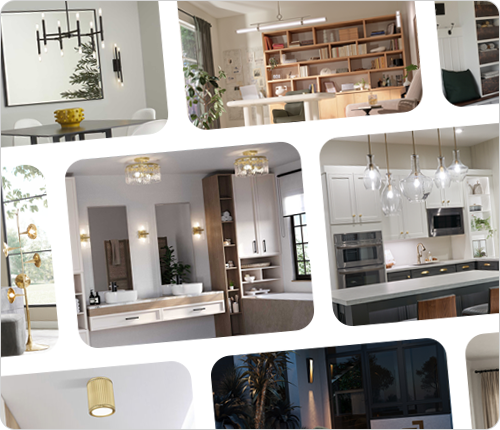
Lighting shouldn’t be confusing. Yet for many designers, builders, and homeowners, lighting becomes one of the hardest pieces of a project—because no one wants to guess. They want clear standards, simple formulas, and practical instructions they can apply to every room. That’s what this guide delivers.
The truth is that great lighting isn’t about choosing the most expensive fixtures or filling a ceiling with cans. It’s about understanding how each room needs to function and matching the light to the task. When you get it right, the whole home feels more intentional, more comfortable, and more beautiful.
In 2026, expectations for lighting are higher than ever. With rising demand for wellness-focused design, flexible living spaces, and energy-efficient solutions, designers and builders need straightforward, reliable lighting standards they can use on every project.
This guide walks you room-by-room, giving you the formulas, rules of thumb, and practical insights that make lighting design feel effortless. Think of it like a roadmap—easy to follow, easy to repeat, and easy to adjust for any size project. Let’s get started.
Why Room-by-Room Lighting Standards Matter in 2026
Lighting has changed. Not just the fixtures, but the way people use their homes. Families work in their kitchens. Kids study in their bedrooms. Living rooms double as movie theaters. Bathrooms feel like mini spas.
Because rooms serve new purposes, lighting needs to do more—and do it better. Standards give you:
Speed and confidence in decision-making
Fewer revisions
Cleaner communication with electricians
More predictable budgets
Happier clients who instantly “feel” the difference
When you follow simple guidelines, you avoid the common mistakes: lights that are too bright, too dim, too small, too big, too cold, too warm, or just not functional. Let’s walk through each room of the home and build your 2026 standard together.

Room 1: The Kitchen — Bright, Balanced, & Layered
The kitchen is the heart of the home—and the hardest working room. It needs clear, bright lighting for tasks and warm, inviting lighting for gatherings.
2026 Kitchen Lighting Standards
Ambient Lighting:
- 35–50 lumens per square foot
- Recessed LED or a flush mount for overall illumination
- Color temperature: 3000K–3500K (neutral, clean)
Task Lighting:
- Under-cabinet lights: 400–500 lumens per linear foot
- Island pendants: Hang 30–36" above countertop
- Avoid shadows by spreading fixtures evenly
Accent Lighting:
- Above-cabinet or toe-kick LED strips
- Warm (2700K–3000K) for evening calm
Sizing Tip: Island pendants: Add widths of all pendants → equals ~75% of island length.

Room 2: Dining Room — Comfort Meets Drama
The dining room is your chance to create a centerpiece.
2026 Dining Room Lighting Standards
Chandelier Size Formula:
Room length + room width (in feet) = ideal chandelier width (in inches)
Example: 12 ft + 14 ft = 26 inches wide
Mounting Height:
- 30–36" above table surface
Layering Strategy:
- Chandelier for drama
- Dimmable sconces or buffet lamps for warmth
- Avoid overly cool lighting; stick to 2700K–3000K
Pro Tip: Always put dining room lighting on dimmers—no exceptions.

Room 3: Living Room — Versatile, Cozy, & Controllable
In 2026, living rooms serve as entertainment zones, reading lounges, work areas, and cozy retreats. Lighting must adapt.
2026 Living Room Lighting Standards
Ambient Lighting:
- 20–30 lumens per square foot
Task Lighting:
- Floor lamps for reading
- Table lamps on side tables
Accent Lighting:
- Wall sconces
- Picture lights
- Shelf lighting
Color Temperature:
- Daytime: 3000K
- Evening: 2700K
Pro Tip: Use at least 3 different types of light in every living room.

Room 4: Bedroom — Calm, Warm, Restful
Lighting in a bedroom should support relaxation, winding down, and gentle morning routines.
2026 Bedroom Lighting Standards
Ambient Lighting:
- Ceiling fixtures or recessed lights with warm temperature
- 10–20 lumens per square foot
Task Lighting:
- Bedside lamps at 24–28" tall
- Sconces hung 5–7" above shoulder height when seated
Accent Lighting:
- Cove lighting
- Soft strip lighting
Color Temperature:
- 2700K–3000K (promotes healthy sleep patterns)
Pro Tip: Avoid harsh overhead lights directly above the bed.

Room 5: Bathroom — Bright but Flattering
Bathrooms need task lighting that helps with daily routines but avoids harsh shadows.
2026 Bathroom Lighting Standards
Vanity Lighting:
- Mount sconces at eye level (60–66" above floor)
- Two sconces on each side of mirror OR
- One horizontal fixture centered above mirror
Ambient Lighting:
- Recessed fixtures placed around the perimeter
Lumens:
- 50–75 lumens per square foot
Color Temperature:
- 3000K for warm, flattering skin tones
Pro Tip: Do not put a recessed light directly over the mirror—it casts harsh shadows.

Room 6: Home Office — Bright, Focused, Glare-Free
With more remote work in 2026, lighting must support productivity without eye strain.
2026 Home Office Lighting Standards
Ambient Lighting:
- Bright but diffused
- 3000K–3500K
Task Lighting:
- Adjustable desk lamp with glare control
Accent Lighting:
- Shelf lighting
- Soft background lighting for video calls
Pro Tip: Avoid placing lighting directly behind or above monitors.

Room 7: Hallways — Safe & Simple
Hallways don’t need expensive fixtures, but they must be well-lit.
2026 Hallway Lighting Standards
- Fixtures every 8–10 feet
- Flush mounts or recessed lights
- 2700K–3000K
Pro Tip: Add low-level night lighting for safety—LED strips or step lights.

Room 8: Closets & Utility Spaces — Functional & Efficient
These areas need clear, bright light without overthinking.
2026 Closet & Utility Lighting Standards
Closets:
- 20–30 lumens per square foot
- Avoid bare bulbs
- LED strips work well
Laundry Rooms:
- 40–50 lumens per square foot
- Neutral white: 3000K–3500K

Room 9: Outdoor Spaces — Safe, Stylish, & Dark-Sky Friendly
2026 outdoor lighting trends focus on beauty, safety, and compliance.
2026 Outdoor Lighting Standards
Front Entry Lighting:
- Sconces mounted 66–72" above ground
- Fixture = 1/4 height of door
Path Lighting:
- Fixtures spaced 5–8 ft apart
- 2700K–3000K
General Guidelines:
- Use downward-shielded fixtures
- Match finishes to home exterior
Lighting Design Is Like Conducting a Symphony
Each room is an instrument. Each fixture is a musician. But without a conductor—without a plan—the music will feel scattered.
Room-by-room lighting standards are your conductor’s script. They guide the whole space toward harmony, comfort, and beauty.
Frequently Asked Questions
Q: How many lumens do I need in a room?
A: Follow the general guidelines: kitchens (35–50), bathrooms (50–75), living rooms (20–30).
Q: Is recessed lighting required in every room?
A: No. Recessed is useful, but layered light creates better results.
Q: What color temperature is best for most homes?
A: 3000K is the most versatile—warm but clean.
Q: How high should pendants hang over an island?
A: 30–36 inches above the countertop.
Q: How big should a dining room chandelier be?
A: Add the room’s length + width in feet to get diameter in inches.
Q: Should bedrooms use warm or cool lighting?
A: Warm light (2700K–3000K) supports relaxation and better sleep.
Q: Can I mix lighting finishes across rooms?
A: Yes. Keep finishes consistent within each room, but you can shift room to room.
Q: What’s the most common lighting mistake?
A: Too few layers—rooms need ambient, task, and accent lighting.
Q: Do all fixtures need to be dimmable?
A: Highly recommended. Dimmers improve flexibility and wellness.
Q: How do I make lighting feel cohesive across the home?
A: Choose a consistent color temperature and a unified design style.


Need Help Building a Lighting Standard for Your 2026 Projects?
You don’t need to do this alone.
Whether you’re designing one room or an entire home, Lighting New York’s Pro Team can help you build the perfect lighting standard—customized for your budget, your style, and your project needs.
Contact LNY Pro today for expert support, curated fixture recommendations, and personalized room-by-room lighting guidance.
Let’s make your 2026 projects shine with clarity, confidence, and beautiful results.