


The Psychology of Lighting
How Great Designers Shape Emotion Through Light
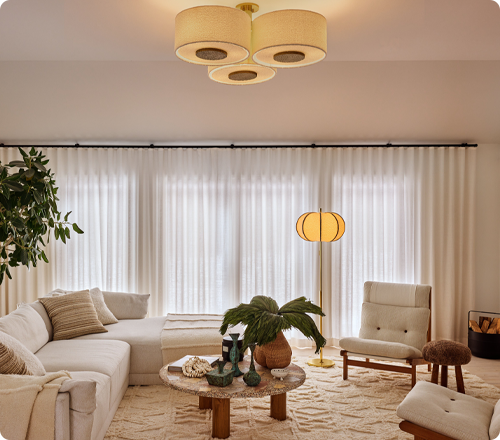
When people walk into a beautifully designed room, they often struggle to explain exactly why it feels so inviting. They may notice the furniture, admire the finishes, or comment on the colors. But more often than not, what they're responding to isn't a single design element. It's the feeling the space creates.
And lighting plays a major role in that feeling.
Great designers understand something that homeowners don't always recognize immediately: lighting is about much more than visibility. It influences mood, comfort, perception, and emotion. It affects how people experience a room, how long they want to stay there, and how they feel while they're in it. In many ways, lighting serves as the emotional layer of design.
While architecture defines the structure and furnishings add personality, lighting often determines how the space actually feels. This is one of the reasons exceptional designers are more than decorators. They understand how to use light intentionally to create environments that support the way people want to live.
Why Emotion Matters in Design
Most homeowners don't begin a project by asking for better ambient lighting or more effective task illumination. Instead, they describe feelings.
They want a kitchen that feels welcoming. A bedroom that feels relaxing. A dining room that feels intimate. A family room that feels comfortable.
What they're really describing is an emotional outcome. Lighting helps bridge the gap between physical design and emotional experience. The most successful designers recognize that clients are rarely purchasing fixtures alone. They're investing in how they want their home to make them feel.
Lighting Influences Human Behavior
The relationship between light and human behavior is well established. Light affects how people perceive spaces, navigate environments, and respond emotionally to their surroundings.
Consider the difference between:
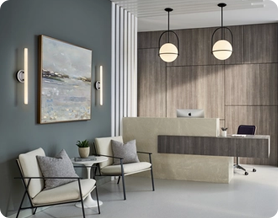
A brightly illuminated waiting room
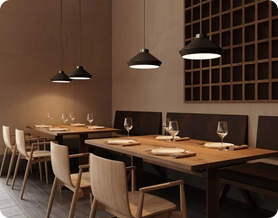
A softly lit restaurant
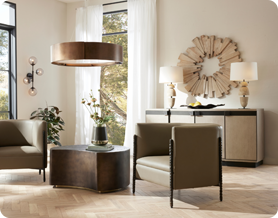
A warmly lit living room

A high-energy retail environment
Each setting uses lighting differently because each setting is designed to support a different experience. Residential design is no different. The goal is not simply to light a room. The goal is to create an atmosphere.
Warmth Creates Comfort
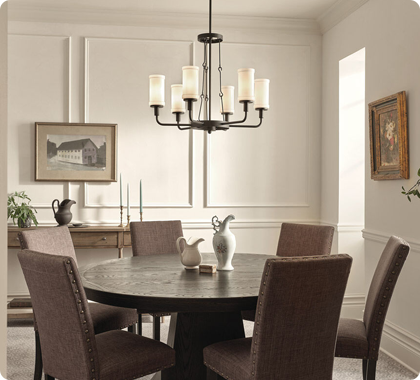
One of the most powerful emotional qualities lighting can create is warmth.
Warm lighting often helps spaces feel:
- Relaxed
- Comfortable
- Inviting
- Personal
- Welcoming
This is one reason many hospitality environments prioritize warm, layered lighting. Restaurants, boutique hotels, and luxury resorts rarely rely on harsh overhead illumination. Instead, they use carefully balanced lighting to create environments that encourage guests to relax and stay longer.
Homeowners increasingly want that same feeling in their own homes. Designers who understand how to create warmth through lighting help clients achieve more than a beautiful room. They help create a comfortable experience.
Hospitality Design Offers Valuable Lessons
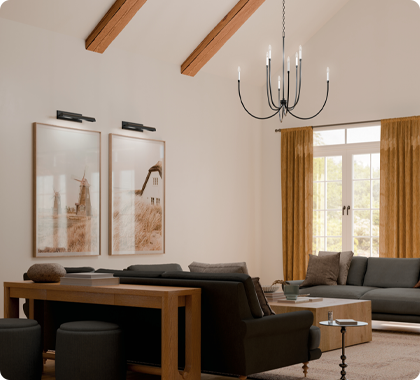
Some of the best examples of emotional lighting can be found in hospitality design. Hotels, resorts, restaurants, and luxury lounges spend significant time considering how lighting affects guest experiences. Why?
Because atmosphere matters. Hospitality designers understand that people remember how a space made them feel. The same principle applies in residential design.
Features commonly borrowed from hospitality environments include:
- Layered lighting
- Accent lighting
- Decorative focal points
- Dimming systems
- Warm color temperatures
These elements help create environments that feel more comfortable and more intentional.
Layered Lighting Creates Emotional Depth
One of the most common differences between basic lighting plans and exceptional lighting plans is layering. Rooms that rely entirely on a single overhead fixture often feel flat and one-dimensional. Layered lighting creates depth.
Typically, this includes:
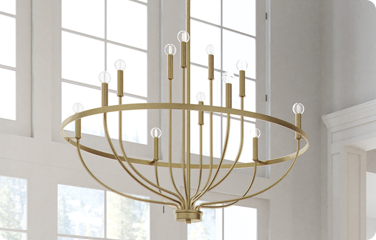
Ambient lighting
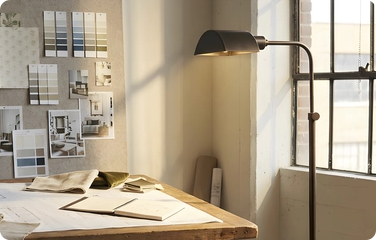
Task lighting
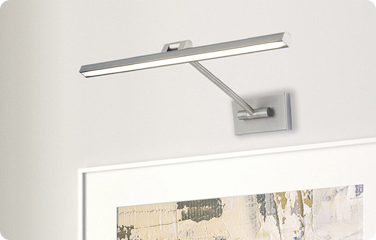
Accent lighting
Together, these layers create visual interest and flexibility.
Think of layered lighting like a well-produced film score. Different instruments contribute different emotions and levels of intensity. The result is richer and more engaging than any single instrument could create on its own.
Lighting works much the same way. Each layer contributes something unique to the overall experience.
The Power of Contrast
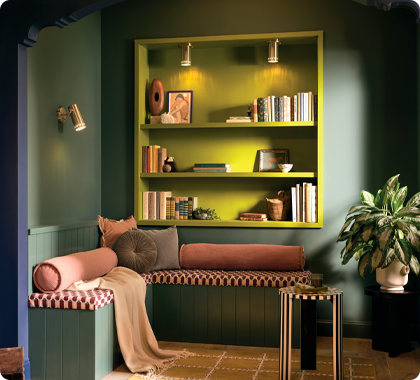
Interestingly, great lighting is not always about making a room brighter. In many cases, it's about creating contrast. Contrast helps establish visual hierarchy and directs attention.
Examples include:
- Illuminating artwork
- Highlighting architectural features
- Creating focal points
- Defining gathering areas
Without contrast, rooms can feel visually monotonous. With contrast, spaces gain character and dimension. Designers who understand this principle often create more memorable environments while using less light overall.
Different Rooms Require Different Emotional Experiences
Every room serves a unique purpose. As a result, every room benefits from a different lighting strategy.
Kitchens
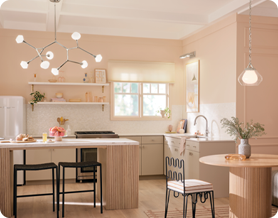
Kitchens typically balance functionality with social interaction. Lighting should support food preparation while also creating a welcoming atmosphere for gathering and entertaining.
Dining Rooms
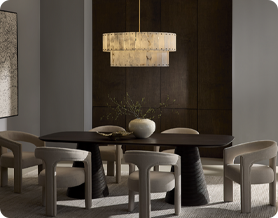
Dining rooms often benefit from softer, more intimate lighting that encourages conversation and connection.
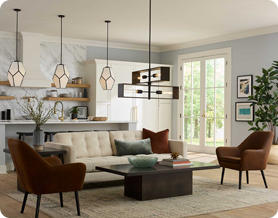
Family Rooms
Family rooms are frequently designed to support relaxation, entertainment, and everyday living. Layered lighting and dimming controls provide flexibility for multiple activities.
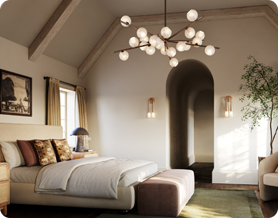
Bedrooms
Bedrooms are often most successful when they promote calmness and comfort. Lighting should support relaxation while providing adequate illumination for practical tasks.
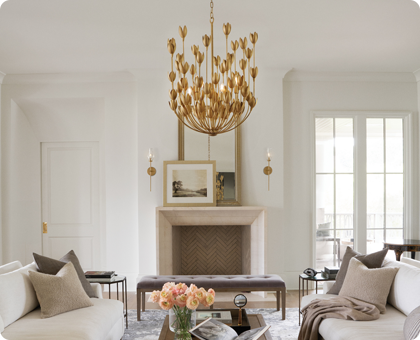
Why Homeowners Remember Feelings More Than Fixtures
Years after a project is complete, many homeowners won't remember the model number of a chandelier.
- They will remember how their home feels.
- They'll remember whether the kitchen feels inviting when family gathers around the island.
- They'll remember whether the primary suite feels peaceful at the end of a long day.
- They'll remember whether guests naturally gravitate toward certain spaces.
These emotional responses are often influenced by lighting more than homeowners realize. This is why great lighting design creates lasting value.
How Designers Become Trusted Advisors
Clients expect designers to understand products. What truly differentiates exceptional professionals is their ability to understand people.
When designers discuss how lighting affects comfort, mood, relaxation, hospitality, and daily living, they elevate the conversation.
The discussion moves beyond fixtures and finishes. It becomes about quality of life. That's where trust is built. And that's where professionals create some of their greatest value.
Frequently Asked Questions
Q: What is the psychology of lighting?
A: The psychology of lighting refers to how lighting influences emotions, perceptions, behaviors, and experiences within a space.
Q: Why does lighting affect mood?
A: Lighting helps shape how people perceive their surroundings and can influence feelings such as comfort, relaxation, energy, and focus.
Q: What type of lighting creates a warm atmosphere?
A: Warm, layered lighting often creates spaces that feel more inviting and comfortable.
Q: Why do hotels often have excellent lighting design?
A: Hospitality environments use lighting intentionally to create positive emotional experiences for guests.
Q: What is layered lighting?
A: Layered lighting combines ambient, task, and accent lighting to create depth, flexibility, and visual interest.
Q: How does lighting affect comfort?
A: Proper lighting reduces glare, improves visibility, and creates environments that feel more pleasant and welcoming.
Q: Why is contrast important in lighting design?
A: Contrast helps create focal points, visual hierarchy, and a greater sense of depth within a space.
Q: Should every room have the same lighting strategy?
A: No. Different rooms support different activities and emotional experiences, which often require unique lighting approaches.
Q: What role do dimmers play in emotional lighting?
A: Dimmers allow homeowners to adjust lighting levels and create different moods throughout the day.
Q: How can designers use lighting to add value?
A: By helping clients understand how lighting influences comfort, functionality, and emotional experiences within the home
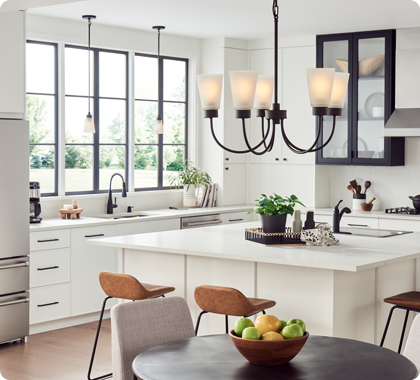
Great Lighting Helps People Feel at Home
The most memorable spaces are rarely defined by a single fixture or design element. They're defined by how they make people feel.
When lighting is designed thoughtfully, it creates comfort, warmth, connection, and atmosphere. It supports everyday routines while helping homeowners experience their spaces in a more meaningful way.
If you're looking for expert guidance on layered lighting, fixture selection, hospitality-inspired design, or creating lighting plans that balance beauty with emotional impact, the professionals at Lighting New York are ready to help.
Our team works closely with designers, builders, architects, and trade professionals every day to create lighting solutions that enhance both the appearance and experience of a space. Contact Lighting New York and discover how our experts can help bring your vision—and your clients' desired experience—to life.
Call 866.344.3875 today!