


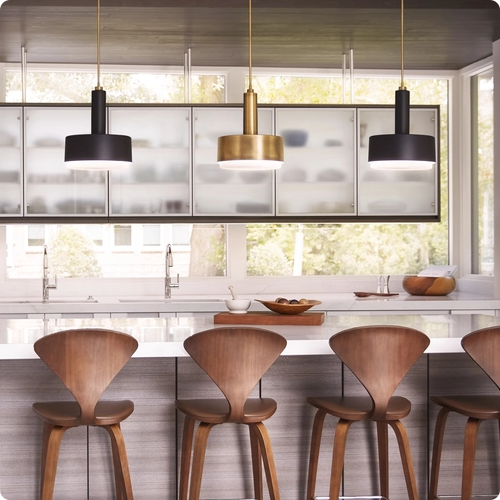
The Art of Mixing Lighting Finishes Without Making a Room Look Chaotic
Walk into a well-designed room and something subtle happens. The lighting, hardware, and finishes feel balanced. Nothing looks forced. Nothing feels out of place. But achieving that balance isn’t always easy—especially when mixing finishes.
Many homeowners today want variety. They don’t want every fixture in the house to be the same color or material. They like the warmth of brass, the boldness of matte black, and the depth of bronze. The challenge is knowing how to combine them without making the room feel disorganized. Designers face this question all the time: How do you mix lighting finishes without creating visual chaos?
The good news is that mixing finishes is not only possible—it’s often the key to creating a space that feels layered and interesting. Like a well-composed piece of music, each element plays its role. When the notes are arranged thoughtfully, the result feels harmonious rather than noisy.
In this guide, we’ll explore how designers mix lighting finishes like brass, matte black, and bronze while keeping a room cohesive and calm.
Why Mixed Finishes Work in Modern Design
Years ago, the common rule was simple: match everything. If a chandelier was polished brass, every sconce, cabinet handle, and faucet often followed suit. The result was consistent, but sometimes a little predictable. Today’s interiors tend to feel more natural and lived-in. Designers often mix finishes to create depth and personality.
Think about nature for a moment. A forest isn’t made of one shade of green. It’s filled with variation—light leaves, dark branches, rough bark, and smooth stone. That variety creates richness. Rooms work the same way. When finishes are mixed thoughtfully, the space feels layered rather than rigid.
Start With a Primary Finish
When designers mix finishes, they rarely start randomly. Instead, they begin with one dominant finish. This primary finish anchors the room. For example, a kitchen may feature brushed brass pendants over the island. That brass becomes the visual anchor. Other finishes can then appear in smaller ways throughout the room.
Examples of Primary Finishes
Common anchor finishes include:

Brass or Warm Gold Tones

Matte Black

Bronze

Satin Nickel
Once a primary finish is established, additional finishes become supporting elements rather than competitors.
Follow the “Two to Three Finish Rule”
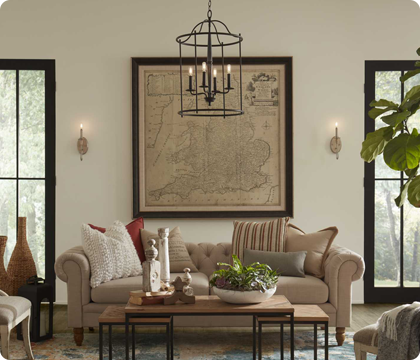
One of the simplest guidelines designers follow is the two-to-three finish rule. In most rooms, it’s best to limit finishes to two or three complementary tones.
For example:
- Brass + matte black
- Bronze + brushed nickel
- Matte black + brass + chrome
When too many finishes appear in the same space, the eye struggles to find order. Limiting finishes helps maintain balance while still adding variety.
Pair Warm & Cool Tones Carefully
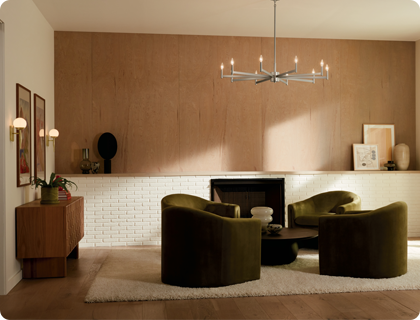
Lighting finishes often fall into two categories: warm tones and cool tones.
Warm tones include: Brass, Gold, Bronze, Copper
Cool tones include: Chrome, Nickel, Stainless steel
Mixing warm and cool finishes can look beautiful, but the pairing should feel intentional. For example, matte black often works well as a bridge between warm and cool tones. Its neutral character allows it to connect different finishes without clashing.
Use Matte Black as a Design Anchor
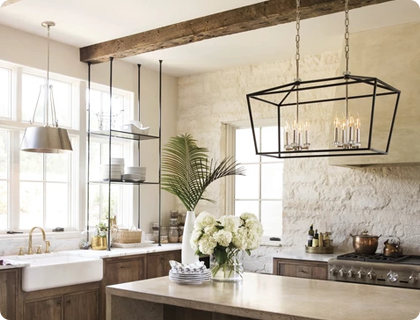
Matte black has become one of the most versatile finishes in lighting. Why? Because it behaves like a neutral color. Just as black clothing pairs easily with other colors, matte black lighting fixtures work well with brass, bronze, and even chrome. Designers often use matte black fixtures as grounding elements in a room.
For example:
- Matte black sconces with brass pendants
- Matte black chandelier with bronze hardware
- Matte black outdoor fixtures paired with copper accents
The contrast adds visual interest without overwhelming the space.
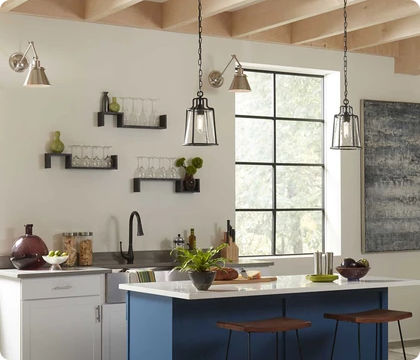
Balance Finishes Throughout the Room
One of the most common mistakes in mixed finishes is clustering similar materials in one area. Imagine a room where brass appears only on one side, while matte black appears only on the other. The space may feel visually unbalanced. Designers solve this by distributing finishes across the room.
For example:
- Brass chandelier
- Matte black cabinet pulls
- Bronze table lamp
When finishes appear in multiple places, the room feels more cohesive. Think of it like seasoning a dish. If all the salt lands in one bite, the flavor feels off. When it’s spread evenly, the meal tastes balanced.
Consider the Room’s Style
Different interior styles handle mixed finishes in different ways.
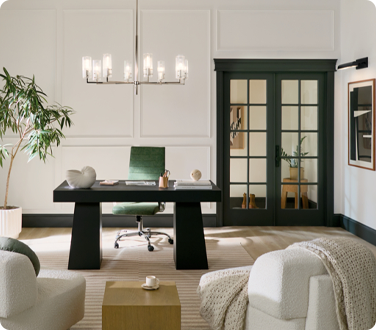
Modern Spaces
Modern interiors often pair matte black with brass or chrome. The contrast highlights clean lines and bold shapes.
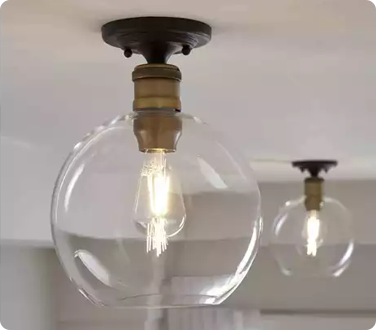
Traditional Spaces
Traditional rooms often blend warm metals like brass and bronze. The finishes tend to feel softer and more classic.
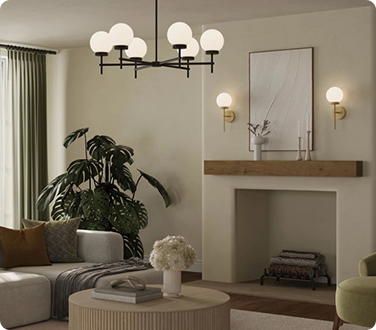
Transitional Spaces
Transitional design blends traditional warmth with modern simplicity. This style often mixes matte black with brushed brass.
Understanding the overall style helps guide finish selection.
Let Lighting Lead the Design
Lighting often plays a major role in defining a room’s character. Because of this, designers frequently let lighting finishes guide other material choices. For example, if a room features a brass chandelier, designers might introduce brass accents through cabinet hardware or decorative objects.
This approach creates visual connections throughout the space. Lighting becomes more than illumination—it becomes part of the design story.
Avoid Perfect Matching
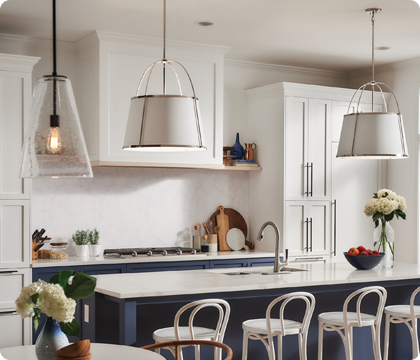
It may seem surprising, but perfect matching can sometimes make a room feel less interesting. Spaces where every finish matches exactly can appear flat or overly staged. Mixing finishes introduces subtle contrast. It creates the sense that the room evolved naturally over time. This layered feeling often makes interiors feel warmer and more welcoming.
Trust Your Eye
Rules are helpful, but great design also involves intuition. Sometimes the best test is simply stepping back and asking a question: Does the room feel balanced?
If one finish dominates too heavily, it may need a counterpoint elsewhere. If the room feels busy, reducing the number of finishes may help. Designers often refine these choices through observation.
After all, good design is not just about following rules—it’s about creating spaces people enjoy living in.
Frequently Asked Questions
Q: Can different lighting finishes be used in the same room?
A: Yes. Designers often mix finishes to add depth and visual interest.
Q: How many finishes should a room include?
A: Most designers recommend limiting a room to two or three finishes.
Q: What finish works best with brass lighting?
A: Matte black and bronze pair well with brass fixtures.
Q: Can warm and cool metals be mixed together?
A: Yes. When balanced carefully, warm and cool metals can create attractive contrast.
Q: Why is matte black so popular in lighting design?
A: Matte black acts as a neutral finish that pairs easily with many other metals.
Q: Should lighting fixtures match cabinet hardware?
A: They don’t need to match exactly, but they should complement each other.
Q: What is the biggest mistake when mixing finishes?
A: Using too many finishes can make a room feel cluttered or chaotic.
Q: Can different finishes be used in adjacent rooms?
A: Yes. Many homes use different finishes in different rooms while maintaining overall cohesion.
Q: Does mixed-metal design work in traditional homes?
A: Absolutely. Traditional spaces often mix brass and bronze finishes beautifully.
Q: Should one finish dominate the room?
A: Yes. Establishing a primary finish helps maintain visual balance.

Bring Balance to Your Lighting Design
Mixing lighting finishes is both an art and a science. When done well, it creates rooms that feel layered, inviting, and thoughtfully designed. The key is balance—choosing a primary finish, limiting the number of metals, and distributing them carefully throughout the space.
If you’re planning a project and want help selecting fixtures that complement each other beautifully, the professionals at Lighting New York are here to help. Our lighting experts work with designers, builders, and homeowners every day to create lighting plans that bring spaces together.
If you have questions about finishes, styles, or fixture selection, contact Lighting New York and let our team help you design lighting that feels both balanced and inspiring.
Call 866-344-3875 today!