


Statement Lighting
How Designers Create a “Wow Moment” in a Room
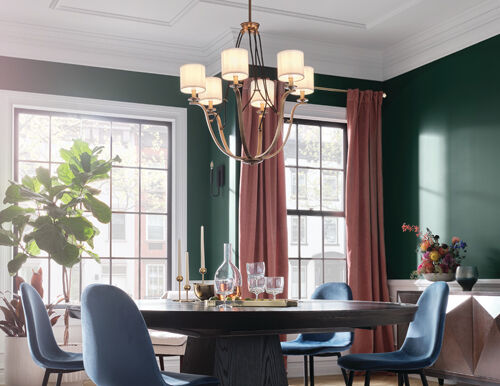
Walk into a beautiful home and ask yourself this question: What do you notice first? Often, it’s the lighting.
A dramatic chandelier above the dining table. A sculptural pendant floating over a kitchen island. A bold fixture welcoming guests in the foyer. These pieces do more than provide light. They create emotion.
Designers understand something many homeowners don’t realize right away: lighting can transform a room faster than almost anything else. Think of statement lighting like the centerpiece on a table at a celebration. Without it, the room still works. But with it, the space suddenly feels alive.
In this guide, we’ll explore how designers use statement lighting to create unforgettable rooms. We’ll also look at practical ways to select oversized chandeliers, sculptural pendants, dramatic foyer fixtures, and dining room centerpieces.
Why Statement Lighting Matters
Every room needs lighting. But not every fixture needs to be the star of the show. Designers often use one bold piece to anchor a room. That fixture becomes the focal point—the place where the eye naturally lands. Why does this work so well?
Because people remember moments that surprise them.
When someone walks into a space and sees a striking chandelier or a sculptural pendant, it creates an instant reaction. Sometimes it’s a quiet “wow.” Other times it’s the first thing guests comment on. Either way, the lighting becomes part of the story of the home.
Oversized Chandeliers: When Bigger Is Better
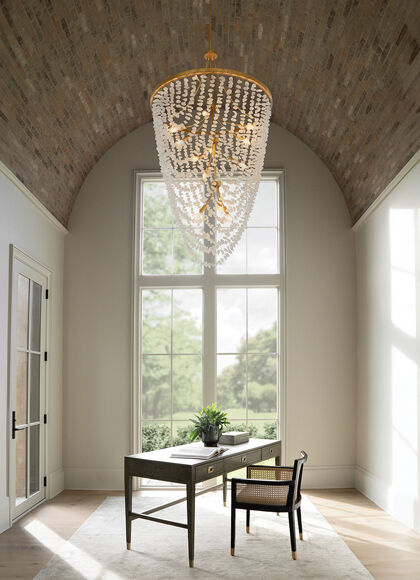
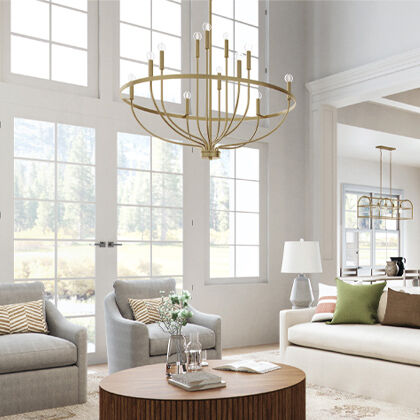
For years, many homes played it safe with small, conservative light fixtures. Today, designers are doing the opposite. Oversized chandeliers are becoming a signature design move. Why? Because scale matters.
A large chandelier can balance tall ceilings and open spaces. It can also bring a sense of drama that smaller fixtures simply cannot deliver.
Where Oversized Chandeliers Work Best
Oversized chandeliers are especially effective in:
- Great rooms with tall ceilings
- Open-concept living spaces
- Dining rooms with large tables
- Entryways and staircases
In these spaces, a small fixture can disappear visually. A larger one fills the room with presence.
Finding the Right Size
While oversized lighting can look stunning, proportion still matters. A helpful rule designers use is: Add the room’s length and width (in feet), then convert that number to inches.
For example:
- A room that is 12 feet by 14 feet equals 26.
- A chandelier around 26 inches wide is a good starting point.
For rooms with higher ceilings or dramatic architecture, designers may go even larger.
Sculptural Pendants: Lighting as Art
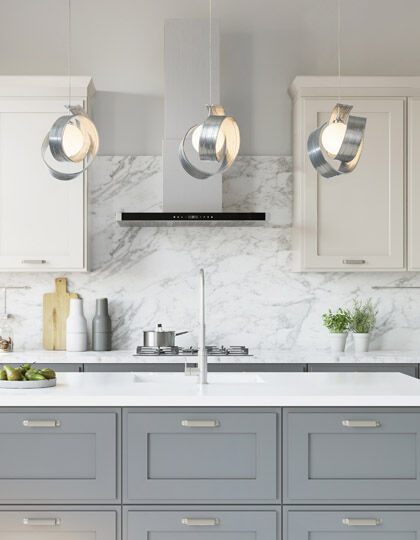
Sometimes lighting doesn’t just complement the room—it becomes the art. Sculptural pendants are a perfect example.
These fixtures often feature flowing shapes, unusual materials, or bold forms. Some resemble modern sculptures. Others feel organic, almost like branches or waves frozen in motion.
Designers love sculptural pendants because they add personality. Think of them like jewelry for a room. Just as a necklace can transform an outfit, a sculptural pendant can change the entire character of a space.
Where Sculptural Pendants Shine
These fixtures work beautifully in places like:
- Kitchen islands
- Dining rooms
- Reading corners
- Bedrooms with high ceilings
When used thoughtfully, they add both light and visual intrigue.
Dramatic Foyer Fixtures: Setting the Tone for the Home
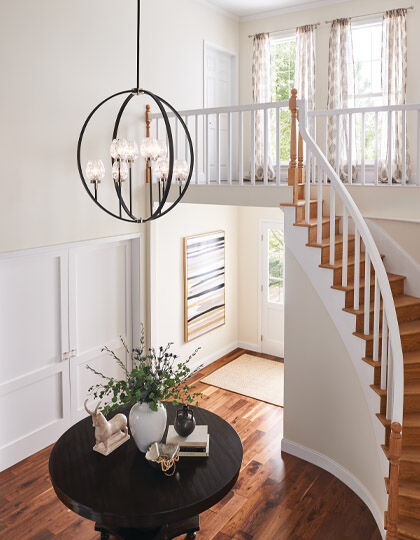
The foyer is the home’s first impression. It’s the moment when guests step inside and begin forming an opinion about the entire space. That’s why designers often place statement lighting here.
A dramatic foyer chandelier can do several things at once. It draws the eye upward. It highlights architectural details. And it sets the design tone for the rest of the house.
Imagine walking into a home with a grand staircase and a beautiful chandelier cascading from above. It immediately signals that the home has character and intention.
Two-Story Foyer Opportunities
Homes with two-story entryways offer unique lighting possibilities.
Designers sometimes use:
- Tiered chandeliers
- Cascading pendant clusters
- Long vertical fixtures
These designs take advantage of height and create a stunning visual experience.
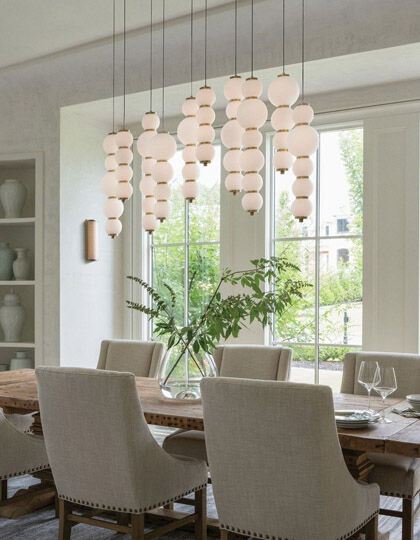
Dining Room Centerpieces: Lighting That Brings People Together
Dining rooms are where families gather, conversations unfold, and celebrations happen. Because of that, the lighting above the table carries special importance. A well-chosen dining room fixture becomes the centerpiece of the room.
Why the Dining Room Is Perfect for Statement Lighting
Dining tables create a natural stage for dramatic lighting. The table anchors the room, and the fixture above it completes the composition. Designers often choose fixtures that:
- Span the length of the table
- Introduce texture or shape
- Provide warm, inviting light
A bold chandelier or a row of pendants can turn an ordinary dining room into a memorable space.
Hanging Height Matters
For dining rooms, a common guideline is: Hang the fixture about 30 to 36 inches above the table.
This keeps the light close enough to create atmosphere while leaving plenty of space for conversation.
How Designers Balance Statement Lighting
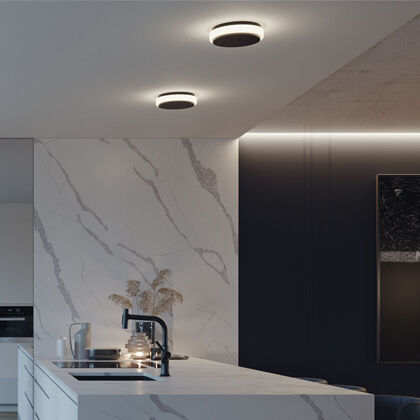
While statement lighting is powerful, balance is still important. Designers rarely fill a room with multiple competing focal points. Instead, they choose one fixture to lead the design while other lighting elements play supporting roles.
For example:
- Recessed lighting provides background illumination.
- Wall sconces add subtle warmth.
- Table lamps soften the room.
Together, these layers create depth. Think of it like a stage performance. The spotlight highlights the main actor, while the supporting cast helps bring the whole story to life.
Choosing the Right Style for the Room
Statement lighting should reflect the personality of the home. Some spaces call for modern sculptural forms. Others feel better with classic chandeliers or natural materials.
Designers often consider:
- The home’s architecture
- The finishes used throughout the room
- The overall mood they want to create
For example, a modern kitchen may feature sleek geometric pendants, while a farmhouse dining room might showcase a rustic chandelier with warm metal finishes. When the lighting matches the character of the space, the result feels natural and intentional.
Why Clients Remember Statement Lighting
When homeowners talk about their favorite parts of a project, lighting often comes up. Why?
Because lighting creates experiences.
A beautiful chandelier above the dining table becomes part of family dinners. A dramatic foyer fixture welcomes guests every day. A sculptural pendant becomes the piece visitors ask about. These fixtures do more than illuminate rooms. They create moments people remember. And for designers and builders, that lasting impression is incredibly valuable.
Frequently Asked Questions
Q: What is statement lighting?
A: Statement lighting refers to a bold or visually striking light fixture designed to serve as the focal point of a room.
Q: Where should statement lighting be used?
A: Common locations include entryways, dining rooms, kitchen islands, and living rooms with high ceilings.
Q: Are oversized chandeliers still popular?
A: Yes. Oversized chandeliers are a major design trend because they add drama and help balance larger spaces.
Q: What makes a pendant light “sculptural”?
A: Sculptural pendants feature artistic shapes or materials that make the fixture resemble a piece of art.
Q: Can statement lighting work in smaller rooms?
A: Yes, when chosen carefully. A single bold fixture can add character without overwhelming the space.
Q: How high should a chandelier hang over a dining table?
A: Most chandeliers hang 30–36 inches above the table surface.
Q: Should statement lighting match other fixtures in the home?
A: Not necessarily. It should complement the overall style, but it doesn’t have to match exactly.
Q: What materials are popular in statement lighting today?
A: Popular materials include glass, brass, matte black metal, alabaster, and natural textures like wood or rattan.
Q: Can statement lighting improve a home’s value?
A: High-quality lighting can enhance the visual appeal of a home, which may positively influence buyers and resale perception.
Q: Is statement lighting just decorative?
A: No. While it adds style, it also provides functional light when paired with other lighting layers.
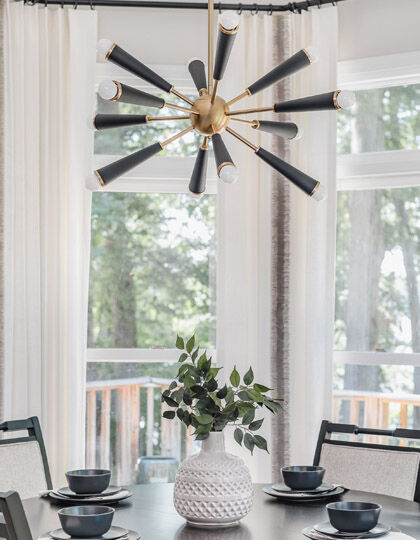
Create Your Next “Wow Moment”
Great design often comes down to one unforgettable detail. A striking chandelier. A sculptural pendant. A dramatic foyer fixture. These pieces turn ordinary rooms into spaces people remember.
If you’re planning a project and want help selecting the right statement lighting, the professionals at Lighting New York are ready to help. Our lighting experts work with interior designers, builders, and architects every day to find fixtures that elevate a space and bring a vision to life.
If you have questions about sizing, styles, or product availability, contact Lighting New York and let our team help you create the next unforgettable “wow moment” in your project.
Call 866-344-3875 today!