


The New Homeowner Expectations for 2026
Smart Lighting, Automation & Connected Spaces
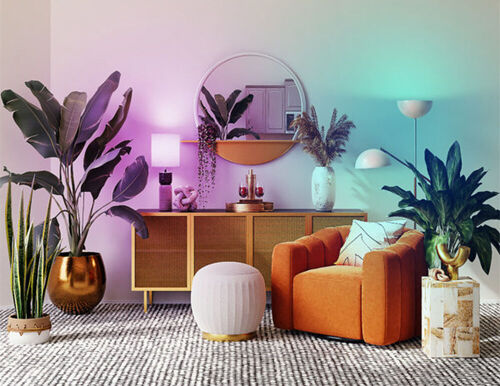
Homeowners in 2026 want more than a beautiful space—they want a smart one. They want homes that respond to their needs, simplify daily routines, and make life feel a little easier and more connected. For builders, designers, and architects, this shift isn’t something to prepare for “someday.” It’s already here.
Smart lighting is now one of the most requested features in new construction and renovations. And with technology becoming simpler, more reliable, and more universal—thanks to platforms like Matter—homeowners expect lighting that works for them, not just around them.
So, what exactly do homeowners want in 2026? And more importantly, what do you need to know to meet their expectations on every project?
Why Smart Lighting is Becoming a “Must-Have” in 2026
A few years ago, smart lighting was seen as optional—nice to have, but not necessary. In 2026, it’s quickly becoming an expectation. Why? Three main reasons:
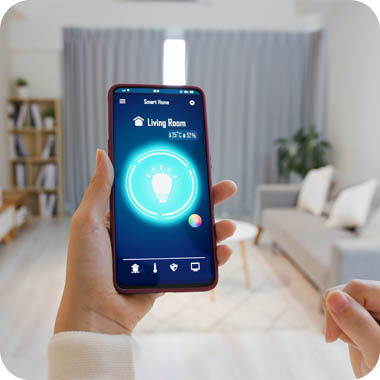
A new generation of homeowners grew up with smart tech.
They already use smart speakers, voice assistants, video doorbells, and app-controlled everything. Smart lighting feels natural to them.

Matter has simplified everything.
Matter creates a common language for smart home devices, so homeowners can mix brands without frustration. When things “just work,” people are more willing to invest.

Builders are finally offering smart lighting packages.
Just like appliance packages or HVAC upgrades, smart lighting bundles are becoming standard options. The bottom line? 2026 homeowners expect a connected home—and lighting is the easiest, most impactful place to start
What Today’s Homeowners Expect From Smart Lighting
Smart lighting doesn’t have to be complicated. Most homeowners want a few clear benefits that make everyday life better.
Here are the expectations you’ll run into most often.
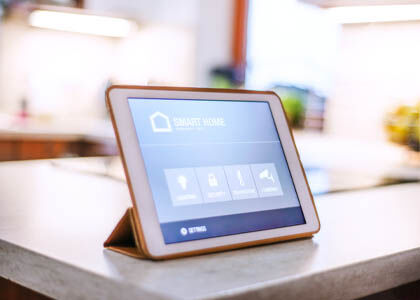
1. Easy-to-Use Controls (Not Complicated Tech)
Homeowners want control—but they want it simple.
They expect to operate lighting using:
- A phone app
- Voice commands (Alexa, Siri, Google Assistant)
- Wall switches
- Smart scenes
Think of it like giving them three ways to turn on a light, not replacing the old way altogether. Smart lighting isn’t about creating new habits—it’s about improving the ones they already have.
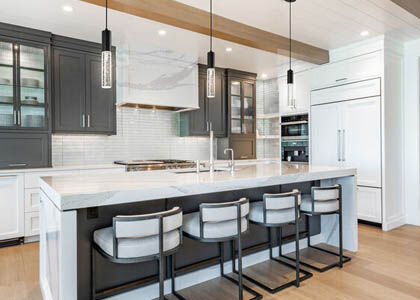
2. Lighting “Scenes” for Daily Life
Scenes are one of the biggest selling points of smart lighting. A scene is just a preset: a group of lights that adjust together.
Homeowners love scenes like:
- “Good Morning” – soft warm lights at 30–50%
- “Work Mode” – bright, focused lighting
- “Relax” – warm dim light in living spaces
- “Movie Night” – accent lighting only
- “Away” – lights turn on and off at intervals
Scenes make homes feel personalized and thoughtful—from the moment a homeowner moves in.
3. Tunable White Lighting for Comfort
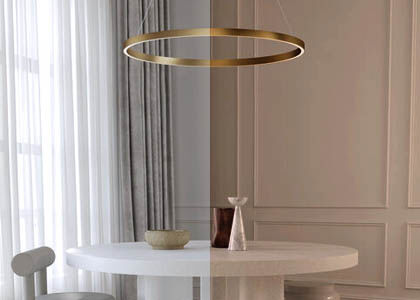
Most people don’t know the term “tunable white.” But they have seen it and they want it.
They want:
- Cooler light during the day (helps with focus)
- Warmer light at night (helps with relaxation and sleep)
Human-centric lighting design is one of the fastest-growing trends in homebuilding. Smart lighting makes it easy. This is the quiet upgrade homeowners don’t always ask for by name—but love once they see it.
4. Energy Efficiency Without Effort
Smart lighting often leads to lower energy bills, which homeowners appreciate—especially with rising utility costs.
Features they like:
- Auto-off when rooms are empty
- Schedules that adjust with the seasons
- LED efficiency
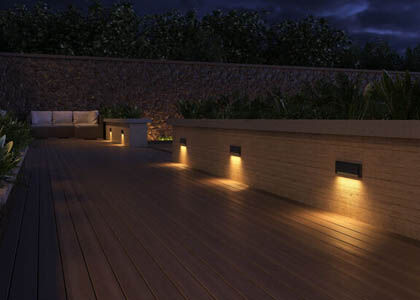
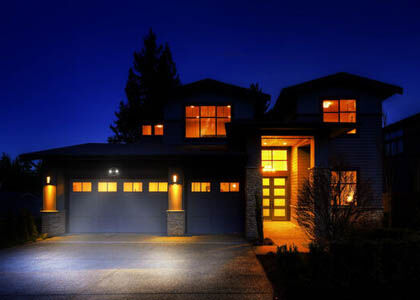
- Automation for outdoor lighting
This isn’t just “eco-friendly.” It’s practical.
5. Whole-Home Integration
Smart lighting is no longer a stand-alone feature. Homeowners expect it to work with:
- Smart thermostats
- Door locks
- Security systems
- Shades
- Music systems
Matter makes this easier than ever, and homeowners expect compatibility right out of the box.

6. Future-Proof Infrastructure
Homeowners want to know their home won’t be outdated in two years.
They’re looking for:
- Fixtures that can be updated through software
- Neutral wiring that’s compatible with smart dimmers
- Smart-friendly recessed lighting
- Dimmer-friendly LED fixtures
Think of it like the wiring for internet: once the infrastructure is there, the upgrades become much easier.
How Designers, Builders, & Architects Can Prepare for These Expectations
Here’s the good news: You don’t need to become a home automation expert to succeed with smart lighting. You just need a clear strategy:
Step 1: Start With the Rooms That Deliver the Most Impact
Homeowners care most about:
- Kitchens
- Living rooms
- Bedrooms
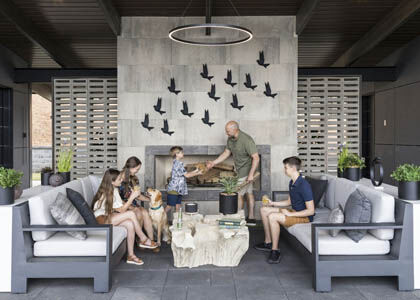
- Outdoor spaces
These are the spaces where smart lighting dramatically improves the daily experience. If you focus on these, you’ll deliver big value without overwhelming the client.
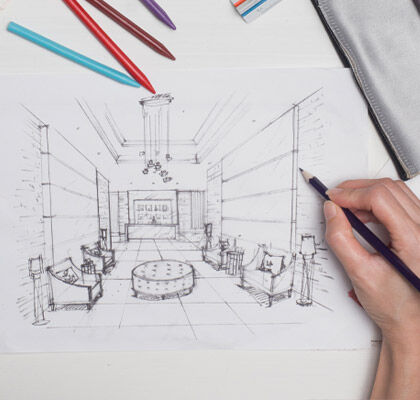
Step 2: Combine Smart Controls With Great Lighting Design
Smart lighting can’t fix a poorly designed space. But great lighting design becomes even better when it’s smart.
Focus first on:
- Layered lighting
- Proper fixture placement
- Good color temperature choices
- Mood-based lighting plans
Then add:
- Smart switches
- Scenes
- Schedules
- Tunable white
This is where your professional expertise shines.

Step 3: Offer Smart Lighting Packages Like Builders Offer Appliance Packages
Homeowners love simple choices. You can create three tiers:
- Good: Smart dimmers + app control
- Better: Smart dimmers + app control + voice activation + lighting scenes
- Best: Full-home integration + tunable white + scheduling + automated routines
This helps homeowners understand what’s possible and choose confidently.

Step 4: Educate Homeowners in Simple Language
Most homeowners don’t care about the tech behind smart lighting. They care about how it feels and how it helps.
Speak their language:
- “This light will help you relax in the evening.”
- “This lighting scene makes movie nights better.”
- “This hallway light will turn on automatically if you walk through at night.”
- “You can control everything from a simple app or your voice.”
When clients understand the benefit, not the tech, they get excited.
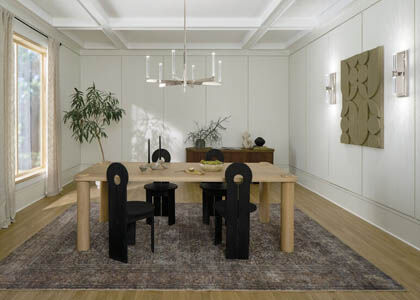
Step 5: Choose Fixtures That Are Smart-Ready
Smart lighting doesn’t always require smart bulbs. In fact, many designers prefer:
- Standard LED fixtures
- Smart dimmers
- Smart switches
- Tunable recessed lighting
- App-integrated controls
This makes future updates easier and more flexible.
The Best Analogy to Use With Clients
Smart lighting is like installing a dimmer for your entire house—but better. It’s the difference between a car with manual windows and a car with automatic climate control. One requires effort. The other adjusts effortlessly and consistently.
When you explain it this way, homeowners instantly understand the value.
Frequently Asked Questions
Q: Do homeowners need special wiring for smart lighting?
A: Not usually. Most smart switches work with standard wiring, though some systems benefit from a neutral wire.
Q: Can homeowners still use regular light switches?
A: Yes. Smart switches still function like normal switches—no learning curve required.
Q: Is smart lighting expensive to install?
A: It can be scaled to fit any budget. Smart dimmers and switches are affordable entry points.
Q: What is Matter and why does it matter?
A: Matter is a universal smart home standard that lets devices from different brands work together. It reduces frustration for homeowners.
Q: Do smart bulbs or smart switches last longer?
A: Smart switches typically offer more flexibility and longevity, especially in whole-home applications.
Q: Can smart lighting help with energy savings?
A: Absolutely. Automated dimming, scheduling, and occupancy sensing reduce wasted energy.
Q: Is smart lighting secure?
A: Major brands use strong encryption. Sticking with reputable manufacturers provides reliable security.
Q: Can smart lighting improve sleep?
A: Yes. Warmer evening light helps support natural circadian rhythms.
Q: Do clients need an automation hub?
A: Some systems require hubs; many Matter-enabled devices do not. It depends on the chosen platform.
Q: Where should I start if I want to offer smart lighting on my next project?
A: Begin with key rooms—kitchens, living rooms, and bedrooms—and add basic smart controls. Then expand as needed.


Homeowners Are Expecting More. LNY Pro Helps You Deliver It.
Smart lighting isn’t a trend. It’s becoming the standard for how homes look, feel, and function in 2026.
As a designer, builder, or architect, you shouldn’t have to guess what products work together,
how to create smart scenes, or which fixtures are the best fit. That’s where we come in.
Contact the Lighting New York Pro team today for personalized help with smart lighting, connected home planning, or fixture selection.
Let’s give your clients the connected home experience they expect—beautiful, simple, and future-ready.
Call 866-344-3875 today!