


Lighting That Sells Homes
What Builders Should Install in Model Homes
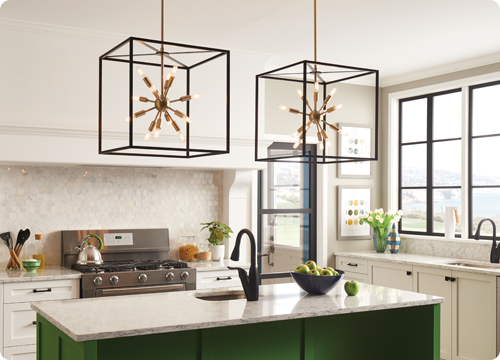
Walk into a model home and something happens almost instantly. The space feels inviting. The kitchen glows. The dining room feels elegant. The bathroom feels calm and luxurious. Buyers may not say it out loud, but much of that emotional response comes from one powerful design element: lighting.
Lighting can turn a house into a home buyers imagine living in. It highlights architecture, creates warmth, and helps rooms feel larger and more welcoming. For builders, model homes are more than display properties. They are sales tools. And the right lighting choices can play a surprising role in how quickly homes sell.
Let’s explore how lighting influences buyers, where builders should upgrade fixtures in model homes, and where builder-grade lighting can still work effectively.

Why Lighting Plays a Major Role in Home Sales
When buyers walk through a model home, they are not just evaluating square footage or cabinet styles. They are imagining their lives unfolding in that space. Lighting helps create that emotional connection.
Think of lighting as the stage lighting in a theater production. The actors and the set may be beautiful, but without the right lighting, the scene falls flat. Lighting directs attention. It highlights focal points. It creates warmth and comfort.
In a model home, the goal is simple: help buyers picture themselves living there. And thoughtful lighting makes that vision clearer.
The Emotional Impact of Lighting in Model Homes
Lighting influences how people feel about a space. Warm, balanced lighting can make a home feel comfortable, welcoming, modern, and luxurious. While poor lighting can make the same home feel dim, cold, and unfinished.
Buyers often notice lighting without realizing it. They may say things like:
“This kitchen feels amazing.”
“The dining room is beautiful.”
“The bathroom feels like a spa.”
Behind those comments is usually a carefully designed lighting plan.
Where Builders Should Upgrade Fixtures in Model Homes
Builders do not need to upgrade every light fixture in a model home. Strategic upgrades often deliver the strongest results. Here are several areas where upgraded lighting creates the greatest impact.
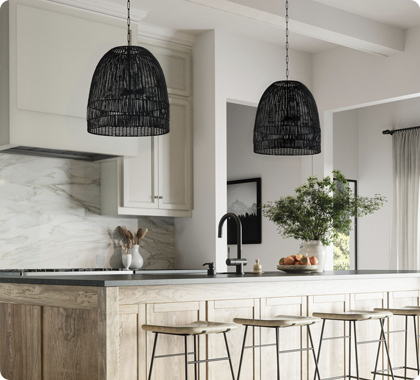
Kitchen Island Lighting
The kitchen is one of the most important rooms in a home. A well-chosen pendant light over the island can immediately elevate the space.
Why it matters:
- The kitchen island is a focal point.
- Buyers gather around it during showings.
- Photos of the model home often highlight it.
What to look for:
- Stylish pendant lights
- Finishes that match cabinet hardware
- Properly scaled fixtures
These pendants act almost like jewelry for the kitchen.
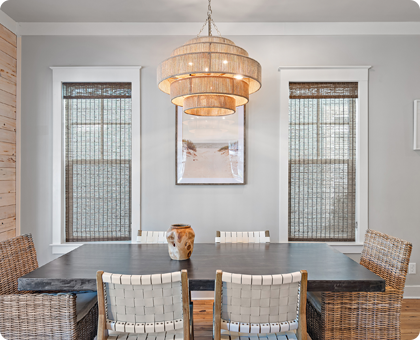
Dining Room Chandeliers
Dining rooms are often used less frequently than kitchens, but in a model home they serve an important purpose. A beautiful chandelier helps buyers imagine holidays, family dinners, and celebrations.
Why it matters:
- It adds elegance to the space.
- It creates a strong visual focal point.
- It helps differentiate the home from competitors.
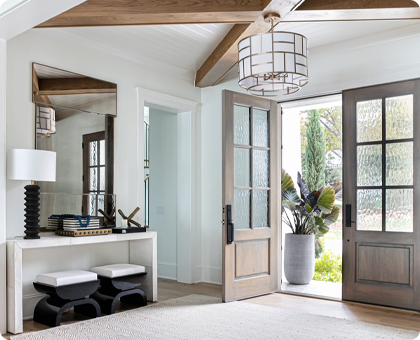
Entryway Lighting
First impressions happen within seconds. When buyers step into a model home, the entryway lighting sets the tone for everything that follows. A striking foyer fixture can immediately communicate quality and design attention.
Consider:
- Statement chandeliers
- Modern lantern fixtures
- Multi-light pendants for two-story foyers
This is one area where a modest upgrade can create a powerful first impression.
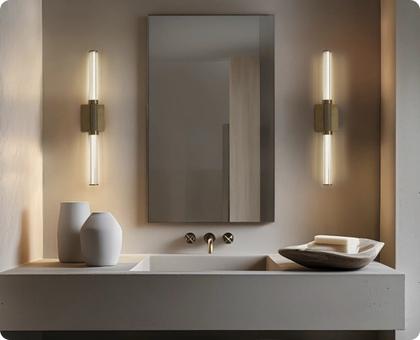
Bathroom Vanity Lighting
Bathrooms may be smaller spaces, but lighting plays a huge role in how they feel. Vanity lighting should provide even illumination without harsh shadows.
Why upgrade here:
- Buyers look closely at bathrooms
- Proper lighting improves the perception of cleanliness and luxury
- Stylish vanity fixtures help elevate the space
A well-lit bathroom can feel like a spa retreat.
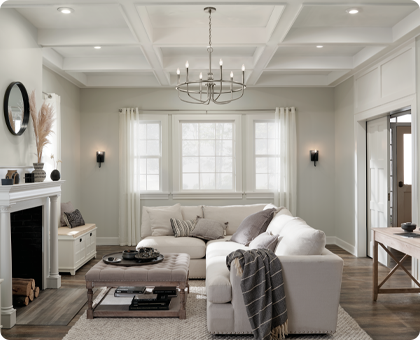
Living Room Accent Lighting
Living rooms benefit from layered lighting. While recessed lighting provides general illumination, accent fixtures add depth.
Examples include:
- Decorative sconces
- Statement chandeliers
- Modern ceiling fixtures
These upgrades help the main living space feel thoughtfully designed.
Where Builder-Grade Lighting Still Works Well
Not every room in a model home requires upgraded fixtures. Builder-grade lighting can still work well in certain areas, especially where lighting plays a supporting role.
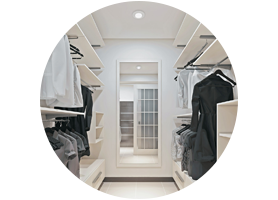
Closets
Closet lighting primarily serves a functional purpose. Simple flush mounts or LED fixtures typically work well.
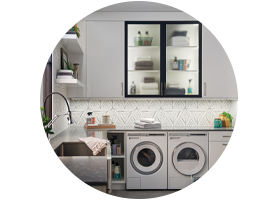
Utility Rooms
Laundry rooms, mechanical rooms, and storage areas rarely influence a buyer’s emotional response. Practical lighting is often the best choice.
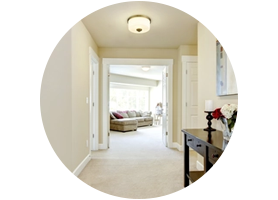
Secondary Hallways
Basic ceiling fixtures or recessed lights are usually sufficient in hallways where lighting serves navigation rather than design.
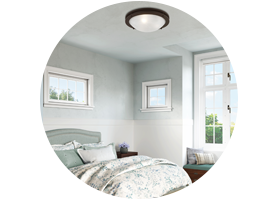
Bedrooms
While upgraded fixtures can enhance bedrooms, builder-grade options often work if the lighting feels clean, modern, and consistent with the home’s style. Buyers frequently replace bedroom lighting themselves after moving in.
Coordinating Lighting With the Home’s Design Style
Lighting should support the architectural style of the home. For example:
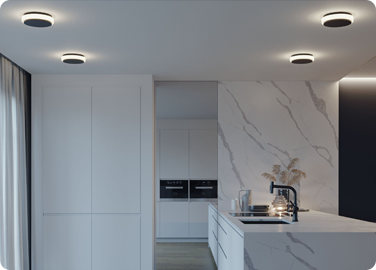
Modern Homes
Clean lines
Matte black or brushed brass finishes
Minimal shapes
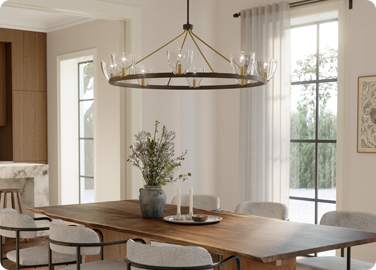
Transitional Homes
Balanced forms
Mixed materials
Soft metallic finishes
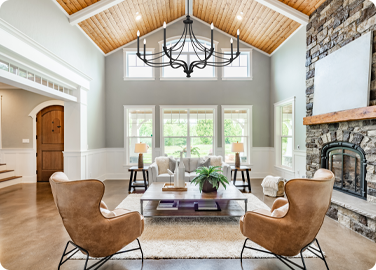
Traditional Homes
Decorative details
Classic chandeliers
Warm finishes
When lighting aligns with the design style, the entire home feels more cohesive.
The Value of Consistency Throughout the Home
One common mistake in model homes is mixing too many fixture styles. Consistency helps the home feel thoughtfully designed. Builders often coordinate lighting finishes across spaces, including:
Kitchen pendants
Cabinet hardware
Faucets
Door hardware
Lighting as a Sales Strategy
Builders often focus on structural upgrades, floor plans, and finishes. But lighting can be one of the most cost-effective upgrades in a model home. Compared to large construction changes, fixture upgrades are relatively affordable while still creating a noticeable impact.
In many cases, a few carefully chosen fixtures can dramatically improve how buyers experience a space. And when buyers feel emotionally connected to a home, the path to purchase becomes much easier.
Frequently Asked Questions
Q: Why is lighting important in model homes?
A: Lighting helps create an emotional connection for buyers and highlights key features of the home.
Q: Do builders need to upgrade every lighting fixture?
A: No. Strategic upgrades in focal areas often provide the greatest impact.
Q: Which room benefits most from upgraded lighting?
A: Kitchens typically benefit the most because they are a central gathering space.
Q: Should builders install statement chandeliers in model homes?
A: Yes, especially in entryways and dining rooms where a visual focal point can enhance the home’s appeal.
Q: Are pendant lights important for kitchen islands?
A: Yes. Pendant lights provide both functional task lighting and strong visual design.
Q: Can builder-grade lighting still work in some rooms?
A: Yes. Utility areas, closets, and hallways often work well with simple fixtures.
Q: Does lighting influence home photography?
A: Absolutely. Good lighting improves listing photos and helps homes appear brighter and more inviting.
Q: Should lighting finishes match throughout the home?
A: Coordinating finishes across fixtures and hardware creates a cohesive design.
Q: Do buyers notice lighting upgrades?
A: Even when buyers do not consciously identify them, lighting upgrades often improve the overall impression of the home.
Q: Can lighting upgrades help homes sell faster?
A: Well-designed lighting can enhance a buyer’s emotional response, which may help homes stand out in competitive markets.
Lighting That Helps Homes Sell
Model homes are more than just buildings. They are experiences designed to inspire buyers. The right lighting helps tell that story.
It highlights architecture. It adds warmth. It helps buyers imagine their future in the space. And for builders, those emotional connections can make all the difference.

Need Help Choosing the Right Lighting for Your Model Homes?
The lighting professionals at Lighting New York work with builders, designers, and trade professionals every day to select fixtures that enhance spaces and support successful home sales.
Whether you’re planning a new model home, upgrading existing fixtures, or looking for lighting that elevates your projects, contact the experts at Lighting New York. Our team is ready to help you find lighting solutions that make your homes shine.
Call 866-344-3875 today!