


Creating Signature Looks
Layered Lighting Techniques Every Designer Should Master in 2026
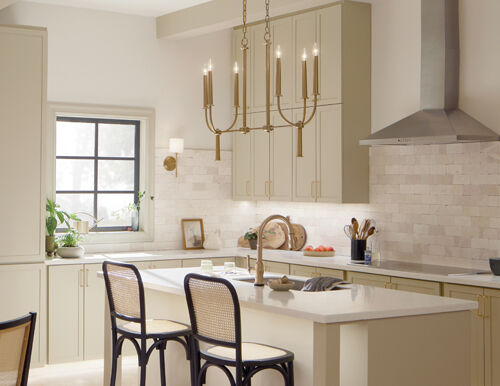
Some rooms feel finished the moment you walk in. Others feel flat—no matter how beautiful the furniture or paint color. The difference is almost always layered lighting.
In 2026, designers aren’t being judged only by their taste. They’re being judged by how spaces feel throughout the day and night. Homeowners may not know the term “layered lighting,” but they know when a room feels warm, balanced, and intentional. Layering is how designers create signature looks that clients recognize, trust, and want again.
Think of lighting like building a wardrobe. You wouldn’t wear only a jacket or only shoes. You need layers—base pieces, functional items, and accents that bring personality. Lighting works the same way.
This guide gives you a clear, repeatable framework for layered lighting—so you can explain it confidently, apply it consistently, and use it to elevate every project you touch in 2026.
Why Layered Lighting Is the Designer’s Secret Weapon
Homeowners often think lighting is about “brightness.” Designers know it’s about control.
Layered lighting gives you control over:
Mood
Function
Time of day
Visual focus
Emotional comfort
Without layers, rooms feel harsh, uneven, or one-dimensional. With layers, rooms adapt—morning to night, weekday to weekend, everyday life to special moments.
And here’s the key insight for 2026: Layered lighting isn’t optional anymore. It’s expected.
The Three Core Lighting Layers (The Foundation)
Every layered lighting plan starts with three essential layers:
1. Ambient Lighting – the base
2. Task Lighting – the worker
3. Accent Lighting – the storyteller
Miss one, and the room feels incomplete. Let’s break them down.
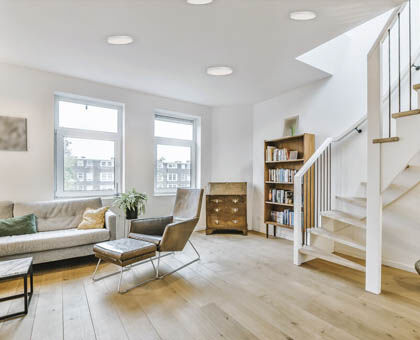
Layer 1: Ambient Lighting (The Base Layer)
Ambient lighting provides overall illumination. It allows people to move safely and comfortably through a space.
Common Ambient Sources:
- Recessed lighting
- Flush mounts
- Semi-flush fixtures
- Cove lighting
- Ceiling-mounted fixtures
What Designers Get Wrong: Overusing ambient lighting and expecting it to do all the work. Too much ambient light flattens the room, creates glare, and eliminates warmth.
2026 Best Practice: Use ambient lighting as a supporting layer, not the star.
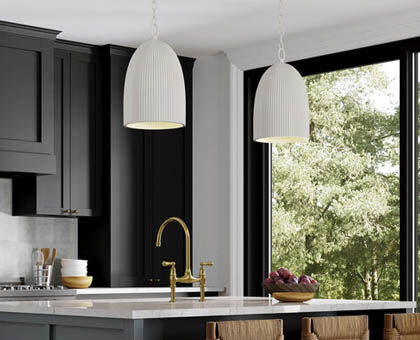
Layer 2: Task Lighting (The Functional Layer)
Task lighting helps people do things.
Common Task Sources:
- Under-cabinet lighting
- Desk lamps
- Vanity sconces
- Pendant lights over islands
- Reading lamps
Task lighting should be focused, glare-free, and placed where the activity happens.
Designer Tip: Good task lighting disappears. Bad task lighting is constantly noticed—for the wrong reasons.
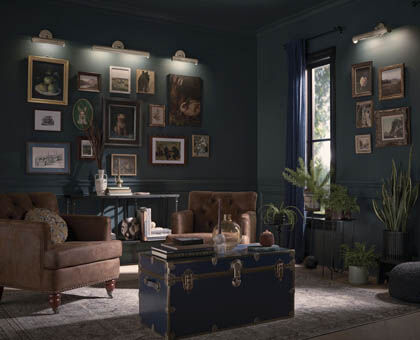
Layer 3: Accent Lighting (The Signature Layer)
This is where designers create magic.
Accent Lighting Adds: Depth, drama, personality, and emotional warmth.
Common Accent Sources:
- Wall sconces
- Picture lights
- Shelf lighting
- Toe-kick lighting
- Wall washers
- Uplights
Accent lighting doesn’t need to be bright. It needs to be intentional. This is the layer homeowners fall in love with—even if they don’t know why.
Why Homeowners Misunderstand Layered Lighting
Most homeowners grew up in homes with one ceiling light per room, few lamps, and/or little control. So when designers propose multiple lighting layers, homeowners may worry:
“Is this too much?”
“Why do I need all of this?”
“Can’t we just use recessed lights?”
Your job isn’t to overwhelm—it’s to explain. A simple explanation works: “Layered lighting lets your room change throughout the day instead of feeling stuck in one mode.”
That’s a benefit clients immediately understand.
How Layered Lighting Creates a Designer’s Signature Look
Signature design isn’t about repeating fixtures. It’s about repeating principles.
Designers known for great lighting:
Use fewer recessed lights
Add more vertical lighting
Embrace indirect light
Always include dimmers
Design lighting scenes, not just layouts
Layering gives your work a recognizable feeling—comfortable, elevated, and thoughtful.
Room-by-Room Layered Lighting Techniques for 2026
Let’s turn theory into practice.
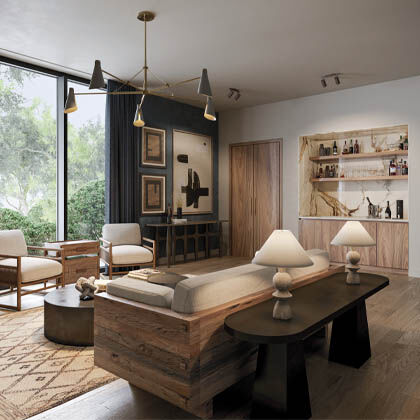
Living Room: The Layering Showcase
This room benefits most from layered lighting.
Ambient:
- Recessed lights on dimmers
- Or a central ceiling fixture
Task:
- Floor lamps near seating
- Table lamps on side tables
Accent:
- Wall sconces
- Picture lights
- Shelf lighting
Result: A room that feels inviting, adaptable, and never harsh.
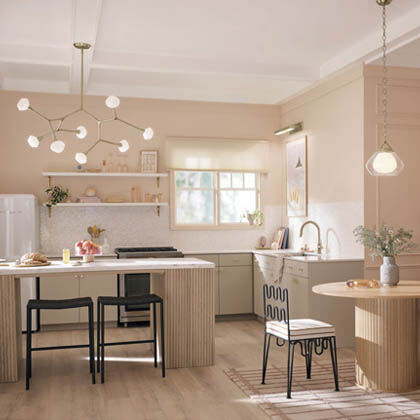
Kitchen: Functional Layers Without Stress
Kitchens are high-activity zones.
Ambient:
- Recessed lighting spaced evenly
Task:
- Under-cabinet lighting
- Pendants over islands
Accent:
- Above-cabinet lighting
- Toe-kick lighting
Result: Bright where needed, calm when desired—especially in the evening.
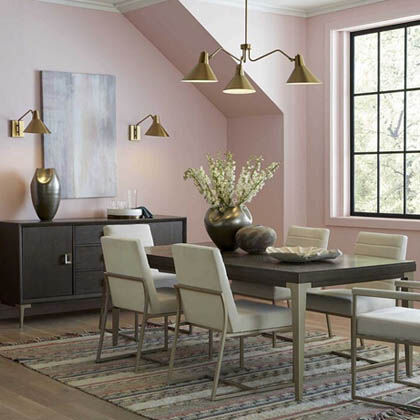
Dining Room: Drama Without Overdoing It
This is where accent lighting shines.
Ambient:
- Chandelier or pendant
Task:
- Minimal—focused on the table
Accent:
- Wall sconces
- Buffet lamps
Result: A room that feels intimate, elegant, and special.
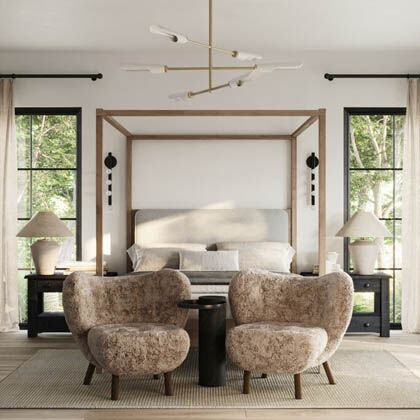
Bedroom: Calm, Not Clinical
Bedrooms fail when lighting feels harsh.
Ambient:
- Soft overhead lighting or indirect light
Task:
- Bedside lamps or sconces
Accent:
- Cove lighting
- Soft wall lighting
Result: A restful environment that supports sleep and relaxation.
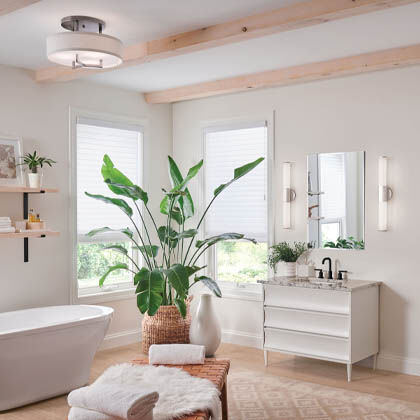
Bathroom: Balance Is Everything
Bathrooms are often over-lit.
Ambient:
- Ceiling lighting away from the mirror
Task:
- Vanity sconces at eye level
Accent:
- Shower niches
- Toe-kick lighting
Result: Flattering light that feels spa-like, not surgical.
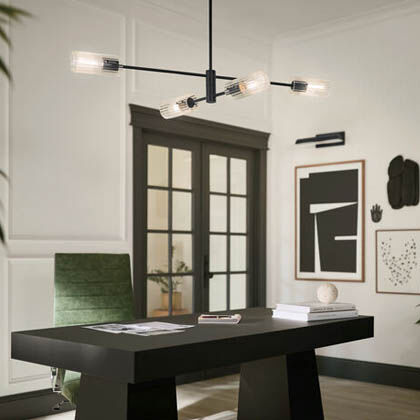
Home Office: Focus Without Fatigue
Ambient:
- Soft, even ceiling light
Task:
- Adjustable desk lamp
Accent:
- Background lighting behind the desk
Result: Productivity without eye strain.
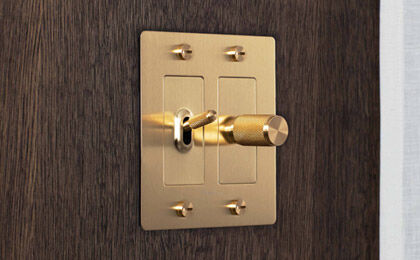
The Power of Dimmers in Layered Lighting
Layered lighting without dimmers is unfinished.
Dimmers:
- Extend the usefulness of each layer
- Reduce energy use
- Support wellness
- Give clients control
In 2026, dimmers aren’t upgrades—they’re standards.
Common Layered Lighting Mistakes Designers Should Avoid
Mistake 1: Too many recessed lights
Mistake 2: Ignoring vertical surfaces
Mistake 3: Overlighting small rooms
Mistake 4: Using one color temperature everywhere
Mistake 5: Skipping accent lighting entirely
Layering is about restraint as much as addition.

How to Explain Layered Lighting to Clients Simply
Try this analogy: “Layered lighting is like having different settings on your phone. You don’t use the same one all day.”
Clients don’t need technical terms. They need clear benefits.
Layered Lighting Is the Difference Between ‘Nice’ and ‘Memorable’
Anyone can install fixtures. Designers create experiences. Layered lighting allows you to:
- Solve real problems
- Tell a story with light
- Create emotional comfort
- Build a recognizable design style
It’s one of the most powerful tools you have—and one of the most underused.
Frequently Asked Questions
Q: Is layered lighting more expensive?
A: It can be—but it often replaces overuse of expensive fixtures.
Q: Do small rooms need layered lighting?
A: Yes. Even subtle layers make a big difference.
Q: Can layered lighting work with low ceilings?
A: Absolutely. Use sconces, lamps, and indirect light.
Q: How many layers does a room need?
A: At least two—three is ideal.
Q: Should every layer be on a dimmer?
A: Ideally, yes.
Q: Is recessed lighting bad?
A: No—it just shouldn’t be the only layer.
Q: Does layered lighting affect mood?
A: Yes. Dramatically.
Q: Can lighting layers reduce eye strain?
A: Yes. Balanced light is easier on the eyes.
Q: Should accent lighting be subtle?
A: Usually. It should enhance, not compete.
Q: Can LNY Pro help design layered lighting plans?
A: Yes. It’s one of our specialties.


Want Help Creating Signature Lighting Looks in 2026?
Layered lighting is where good design becomes great design—but it takes planning, coordination, and the right product choices.
The Lighting New York Pro Team helps designers:
Build layered lighting strategies
Select fixtures that work together
Balance budgets and performance
Explain lighting plans clearly to clients
Contact LNY Pro today to create layered lighting designs that become your signature style.
Let’s make every room feel intentional, comfortable, and unforgettable.
Call 844.344.7763 today!