


The Kitchen Lighting Playbook for Designers & Builders
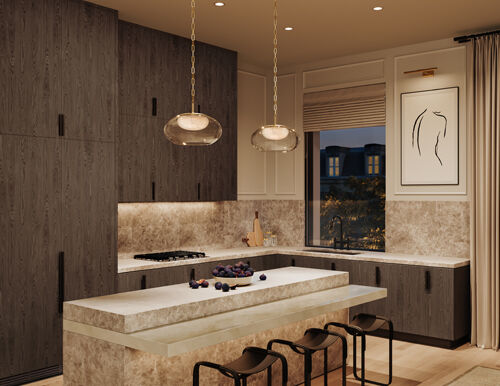
Designing a kitchen is about more than cabinets, countertops, and appliances. Lighting plays a major role in how the space works and how it feels. When the lighting plan is right, the kitchen becomes the heart of the home—bright, welcoming, and practical for everyday life.
But when lighting is poorly planned, the problems show up fast. Dark work surfaces. Harsh glare on countertops. Pendants that are too small or hung too high. These mistakes can frustrate homeowners and reflect poorly on the professionals who designed the space.
That’s why a thoughtful lighting plan matters.
Think of kitchen lighting like a well-balanced recipe. Each ingredient has a role. If one piece is missing, the whole dish falls flat. When the layers are right, everything works together.
In this guide, we’ll walk through the essentials designers and builders need to create kitchens that are both beautiful and functional.
The Three Layers Every Kitchen Needs
Before choosing fixtures, it helps to understand the three types of lighting that make a kitchen work.
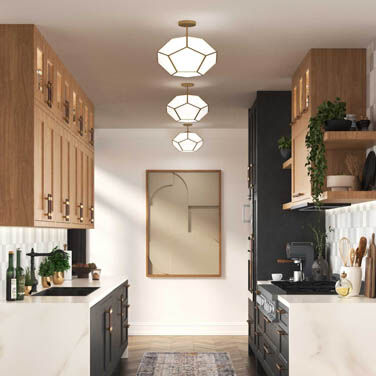
Ambient Lighting
Ambient lighting is the general light that fills the room. It allows people to move safely through the space. Recessed lights, flush mounts, or ceiling fixtures often provide this layer.
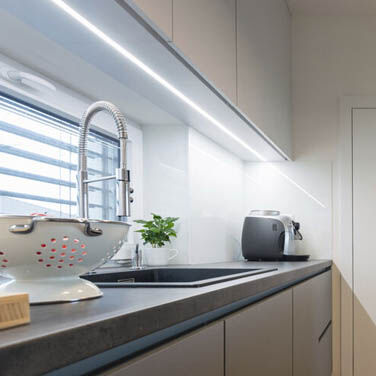
Task Lighting
Task lighting focuses on work areas like countertops, islands, and sinks. It helps homeowners see clearly while cooking, prepping, or cleaning.
Undercabinet lighting is the most common example.
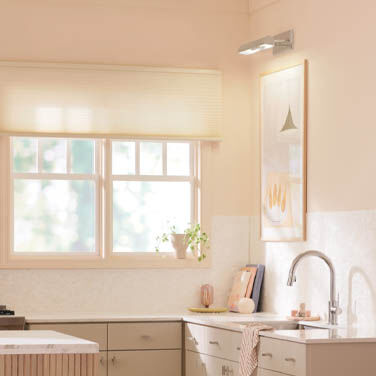
Accent Lighting
Accent lighting adds visual interest. It highlights design features like open shelving, glass cabinets, or architectural details.
When these three layers work together, the kitchen feels balanced and comfortable.
Island Lighting: Getting the Size Right
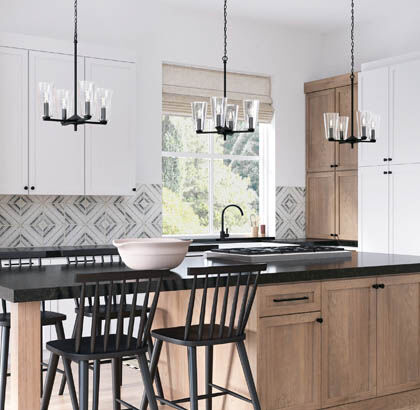
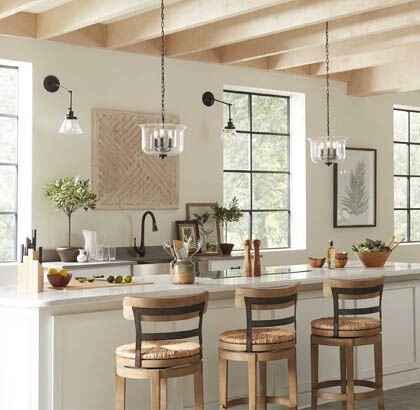
Kitchen islands are often the centerpiece of the room. The lighting above them should match that importance. Too often, designers see pendants that are either too small or spaced incorrectly. Fortunately, a few simple formulas can help.
Pendant Size Formula
A good rule is: Pendant diameter = 1/4 to 1/3 of the island width
For example: A 48-inch-wide island works well with pendants around 12–16 inches in diameter.
If the island is very large, slightly bigger fixtures may look better.
Spacing Between Pendants
Spacing also matters. A practical guideline is: Leave about 24–30 inches between pendants.
This keeps the lighting balanced and prevents clutter.
Number of Pendants
Most islands work well with:
- Two pendants for smaller islands
- Three pendants for larger islands
Sometimes fewer fixtures create a stronger look. Oversized pendants can make a dramatic statement while keeping the design simple.
Linear Fixtures vs Pendant Lighting
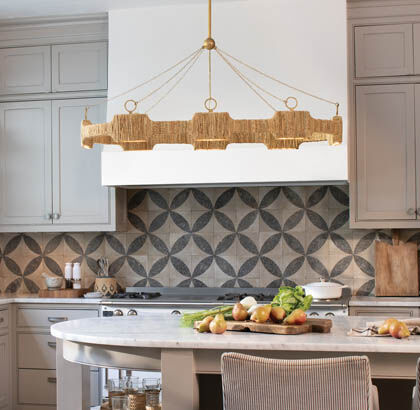
A question designers often face is this: Should you choose multiple pendants or one linear fixture?
Both options can work well. The right choice depends on the kitchen’s style and scale.
Pendant lights are often the better choice when:
- The design calls for visual rhythm across the island
- The kitchen has a transitional or classic style
- The island is longer than six feet
Pendants also offer flexibility. Designers can mix finishes, shapes, and materials to create personality.
When Linear Fixtures Work Best
Linear fixtures shine when the goal is simplicity. They work especially well in:
- Modern kitchens
- Minimalist designs
- Spaces with clean architectural lines
A single linear fixture can create a calm, uncluttered look.
Think of it this way. Pendants are like individual instruments in an orchestra. Linear fixtures are more like a single piano—clean, strong, and focused. Both can produce beautiful results when used thoughtfully.
The Importance of Undercabinet Lighting
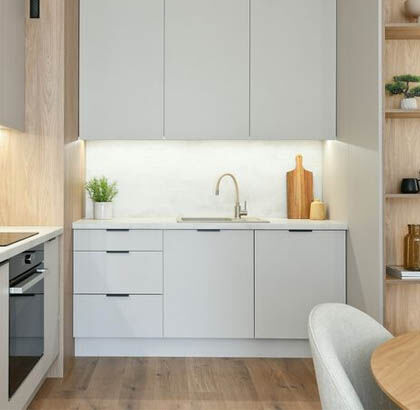
Undercabinet lighting is one of the most practical upgrades in a kitchen. Without it, overhead lighting often casts shadows across the countertops. When someone stands at the counter, their body blocks the light. Undercabinet fixtures solve that problem by lighting the work surface directly.
Benefits of Undercabinet Lighting
Proper undercabinet lighting:
- Improves visibility for food prep
- Reduces shadows
- Creates a warm glow in the evening
- Highlights backsplash materials
LED strip lighting is now the most common option. It provides consistent illumination while remaining hidden from view.
Installation Tips
To get the best results:
- Mount fixtures toward the front of the cabinet
- Use a continuous light strip when possible
- Choose a warm white color temperature
These small details make a big difference in the final look.
Avoiding Glare on Countertops
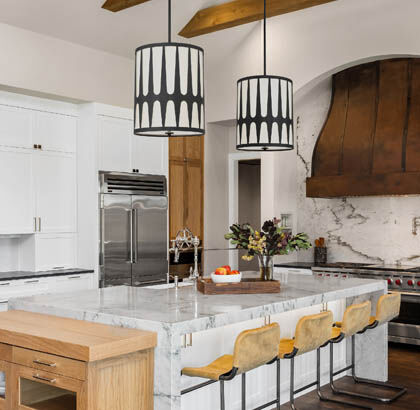
Glare is one of the most common kitchen lighting problems. Highly polished materials like quartz and granite can reflect bright light directly into a person’s eyes. When that happens, the kitchen feels uncomfortable instead of welcoming. Fortunately, a few adjustments can prevent glare.
Choose the Right Color Temperature
Warm white light—around 2700K to 3000K—usually works best in kitchens.
It provides clear visibility without the harsh feel of cooler lighting.
Avoid Over-Lighting the Space
More light isn’t always better. Too many recessed fixtures can create intense reflections on glossy surfaces. Spacing recessed lights properly helps maintain balance.
Position Fixtures Carefully
Pendant lights should hang 30–36 inches above the island countertop. This height reduces glare while keeping the light focused where it’s needed.
Designing for Today’s Kitchens
Modern kitchens are doing more than ever. They’re places where families cook, gather, work, and entertain. Because of that, lighting must adapt to multiple uses.
Dimmer switches are now almost essential. They allow homeowners to adjust brightness depending on the activity.
Bright lighting works well for cooking and cleaning. Softer lighting creates a relaxed mood for dinner or conversation.
Good lighting gives homeowners control over how the space feels.
Frequently Asked Questions
Q: How many pendants should go over a kitchen island?
A: Most islands look balanced with two or three pendants. Larger islands may benefit from three fixtures, while smaller islands often look better with two.
Q: How high should pendant lights hang above an island?
A: Pendant lights usually hang 30–36 inches above the countertop.
Q: What color temperature works best for kitchens?
A: A range between 2700K and 3000K provides a warm but clear light that works well for most kitchens.
Q: Is undercabinet lighting necessary?
A: While not mandatory, undercabinet lighting greatly improves visibility and eliminates shadows on work surfaces.
Q: Should kitchen lighting be on dimmers?
A: Yes. Dimmer switches give homeowners flexibility and allow the space to transition from work mode to relaxation.
Q: Can you mix different lighting finishes in a kitchen?
A: Yes. Many designers combine finishes like matte black, brass, and bronze to create depth and visual interest.
Q: Are recessed lights still popular in kitchens?
A: Yes. Recessed lighting remains a common way to provide ambient light throughout the kitchen.
Q: What type of lighting works best for kitchen islands?
A: Pendant lighting is the most common choice, but linear fixtures can work well in modern kitchens.
Q: How do you avoid shadows on countertops?
A: Undercabinet lighting helps eliminate shadows by placing the light source closer to the work surface.
Q: Should island lighting match the rest of the fixtures?
A: Not necessarily. Many designers treat island lighting as a statement feature that complements the room without matching every fixture.
Bringing It All Together
A well-designed kitchen lighting plan does more than illuminate the room. It supports the way people cook, gather, and live in the space. When the island lighting is sized correctly, when undercabinet lighting eliminates shadows, and when glare is controlled, the kitchen becomes comfortable and functional.
For designers and builders, these details help create spaces clients love. Lighting is often the finishing touch—but it can also be the difference between a kitchen that feels ordinary and one that feels extraordinary.
Need Help With a Kitchen Lighting Plan?
Every project brings its own challenges. Fixture sizing, lead times, finish coordination, and product availability can all affect your design.
The team at Lighting New York works with interior designers, builders, and architects every day to solve those challenges. If you need help selecting fixtures, sourcing products, or planning the right lighting layout for a project, our lighting experts are ready to help.
Contact the professionals at Lighting New York today and let us help you bring your next kitchen project to life.
Call 866-344-3875 today!