


How Top Designers Present Lighting Concepts
That Clients Say "Yes" To

Great lighting design doesn't begin when fixtures are installed. It begins much earlier—when the designer first presents the concept to the client. Yet many excellent lighting ideas never make it past the presentation stage. The design may be sound, the budget may be appropriate, and the fixtures may be exactly right for the space. Still, the client hesitates.
In many cases, the problem isn't the design itself. It's the client's ability to visualize the outcome. This challenge affects designers, builders, and architects alike. Lighting is one of the most powerful elements in a space, but it can also be one of the hardest for clients to imagine before installation. Unlike flooring, cabinetry, or furniture, lighting is experienced more than it is seen.
That's why the most successful professionals don't simply present fixtures. They present a vision. When clients can clearly picture the result, they become more confident in their decisions, more comfortable with the investment, and far more likely to move the project forward.
The Real Challenge Isn't the Fixture
Many professionals assume fixture selection is the most difficult part of the lighting process. In reality, communication is often the greater challenge. A client looking at a lighting plan sees symbols, dimensions, and product specifications. The designer sees atmosphere, functionality, and a completed room. There is often a significant gap between those two perspectives.
The best designers understand that their role extends beyond selecting fixtures. They help clients understand why the recommendations matter and how those decisions contribute to the overall experience of the space. Rather than focusing exclusively on products, they focus on outcomes.
Start With the Lifestyle, Not the Lighting
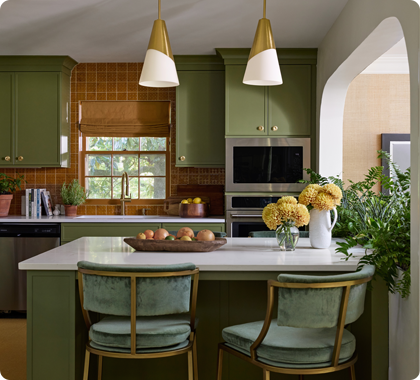
One of the most effective ways to present lighting concepts is to begin with how the client will use the space. Most homeowners are not interested in discussing lumens, beam spreads, or technical specifications. What they care about is how the room will feel and function once the project is complete.
Consider the difference between these two approaches: "We're recommending three pendants above the island."
Versus: "This lighting will create a comfortable gathering space where family and friends naturally want to spend time together."
The fixture recommendation hasn't changed. The context has. When designers connect lighting decisions to daily life, clients are able to see the value more clearly. The conversation becomes less about products and more about experiences.

Help Clients See Themselves in the Finished Space
One of the most powerful presentation techniques is helping clients visualize themselves using the room. Rather than discussing fixtures in isolation, walk them through everyday moments that will happen within the space.
For example:
- Preparing breakfast in the kitchen before work
- Hosting family dinners around the dining table
- Reading in a favorite chair at the end of the day
- Entertaining guests during holidays and special occasions
These examples help clients connect emotionally to the design. Instead of evaluating a fixture, they're evaluating a future experience. That's a very different conversation.

Use Visual Storytelling to Reduce Uncertainty
Lighting can be difficult to explain with words alone. This is where visual storytelling becomes incredibly valuable. The most successful designers rarely rely solely on floor plans or specification sheets. Instead, they use visual tools that help clients bridge the gap between imagination and reality.
These may include:
- Inspiration photography
- Mood boards
- Finish samples
- Fixture photography
- Design renderings
- Before-and-after project examples
Visuals help eliminate uncertainty, which is often the biggest obstacle to client approval. The easier it is for clients to picture the finished space, the easier it becomes for them to make decisions.

Avoid the Trap of Too Many Choices
It may seem helpful to provide numerous fixture options, but too many choices often create the opposite effect. When clients are presented with an overwhelming number of possibilities, decision-making becomes more difficult. Instead of feeling empowered, they may feel uncertain.
Top designers understand this and carefully curate recommendations. Rather than presenting ten possible chandeliers, they might present three:
- Their primary recommendation
- A secondary option
- A budget-conscious alternative
This approach gives clients choices while still providing direction. It simplifies the decision-making process without removing the client's sense of control.

Explain the Purpose Behind Every Recommendation
Clients are much more likely to approve lighting recommendations when they understand the reasoning behind them. Every fixture should have a purpose.
For example, instead of saying: "We added sconces beside the mirror."
Explain: "We added sconces beside the mirror because they provide more even facial illumination and reduce shadows during grooming."
The fixture is no longer just a fixture. It becomes a solution. The same principle applies throughout the home. When clients understand the function behind each recommendation, they gain confidence in the overall design.
Establish Value Before Discussing Price
One of the most common mistakes professionals make is discussing cost before communicating value. Clients need to understand what they're receiving before they evaluate what they're spending.
For example, consider these two statements: "This chandelier costs $1,500."
Versus: "This chandelier serves as the focal point of the dining room, anchors the entire space, and creates a stronger visual experience for both everyday use and entertaining."
The investment is exactly the same. The understanding is not. Successful designers consistently connect price to purpose, helping clients see how a recommendation contributes to the overall success of the project.

Present Lighting as Part of the Larger Design Story
Lighting rarely exists in isolation. It interacts with every other design element in the room. The most effective presentations show clients how lighting works alongside:
- Architecture
- Furniture
- Cabinetry
- Finishes
- Flooring
- Decorative elements
When lighting is presented as part of a complete design vision, clients are less likely to focus on individual fixture decisions. Instead, they begin to understand how all the pieces work together to create the final result. This broader perspective often leads to stronger project approvals and fewer revisions.
Build Confidence Through Simplicity
Many professionals accidentally make lighting seem more complicated than it needs to be. The reality is that clients don't need to become lighting experts—they simply need enough information to make a confident decision.
The best presentations are clear, focused, and easy to understand. Rather than overwhelming clients with technical details, successful designers simplify complex concepts and focus on the information that matters most.
Think of yourself as a guide. When someone visits a national park, they don't want a detailed geological report; they want a guide who knows the path and can confidently lead the way. Your role is similar. Clients hire professionals to simplify the journey and help them navigate important decisions with confidence.

Make Recommendations, Not Just Options
Clients hire professionals for expertise. While they appreciate having choices, they also want guidance. When a designer presents multiple options without a clear recommendation, clients may feel uncertain about which direction to take.
Top designers aren't afraid to lead. A simple statement such as "Of the options we've reviewed, this is the one I believe delivers the best combination of function, aesthetics, and value for your project" can significantly increase client confidence. Recommendations demonstrate expertise. Expertise builds trust.
Why Better Presentations Lead to Better Projects
When clients clearly understand the vision, the entire project benefits. Approvals happen more quickly. Revisions become less frequent. Budget conversations become easier. Most importantly, trust between the client and the professional continues to grow.
The best lighting presentations do more than explain products. They help clients understand the outcome, believe in the process, and feel confident moving forward. That confidence often becomes the difference between hesitation and approval.
Frequently Asked Questions
Q: Why do clients struggle to approve lighting plans?
A: Many clients find it difficult to visualize lighting before it is installed. Without a clear understanding of the outcome, uncertainty can slow decision-making.
Q: What is visual storytelling in lighting design?
A: Visual storytelling uses tools such as renderings, mood boards, photography, and examples to help clients understand the intended design outcome.
Q: How many fixture options should designers present?
A: Most professionals find that two to three carefully selected options provide enough flexibility without creating decision fatigue.
Q: Why is it important to explain fixture placement?
A: Understanding the purpose behind placement helps clients appreciate the design and feel more confident in the recommendations.
Q: When should pricing be discussed?
A: Pricing is most effective when presented after the value and purpose of the recommendation have been established.
Q: How can designers help clients visualize lighting?
A: Renderings, mood boards, inspiration images, and completed project photography can all help clients envision the finished space.
Q: What causes decision fatigue during design presentations?
A: Too many choices can overwhelm clients and make it harder for them to commit to a decision.
Q: Why do clients respond well to lifestyle-based presentations?
A: People connect more naturally with experiences and outcomes than with technical specifications.
Q: Should lighting be presented separately from the overall design?
A: No. Lighting should be shown as part of the complete design vision whenever possible.
Q: What is the ultimate goal of a lighting presentation?
A: The goal is to help clients clearly understand the vision and feel confident saying "yes" to the proposed solution.

Turn Great Lighting Ideas Into Confident Decisions
The most successful lighting concepts aren't necessarily the most expensive or the most complex. They're the ones clients understand.
When professionals present lighting through storytelling, visualization, and thoughtful guidance, clients become more confident in their decisions. Projects move forward more smoothly, revisions decrease, and the overall experience improves for everyone involved.
If you're looking for expert support with fixture selection, project planning, product recommendations, or lighting solutions that help bring your vision to life, the professionals at Lighting New York are here to help.
Our team works closely with interior designers, builders, architects, and trade professionals every day to simplify the lighting process and support successful project outcomes. Contact Lighting New York and discover how our experts can help you create lighting plans your clients will confidently say "yes" to.
Call 844.344.7763 today!