


How to Manage Lighting Lead Times, Stock Issues,
& Substitutions in Early 2026

If you’re a designer, builder, or architect working in early 2026, you already know the truth:
Supply chain friction hasn’t fully disappeared. Lead times still fluctuate. Stock availability can shift overnight. And substitutions—while useful—can become a headache if not managed proactively.
But here’s the good news:
You don’t need to fear lead-time delays, backorders, or out-of-stock surprises. With the right system, you can stay ahead of stock issues, protect your timelines, reduce client stress, and keep projects moving smoothly.
Think of lighting procurement like navigating a busy airport. If you know the terminals, the boarding times, and the potential delays, the journey feels manageable—even predictable. But without a plan, everything feels chaotic.
This guide gives you the plan.
Let’s walk through how leading Pros are successfully handling lighting logistics in 2026—and how you can do the same with clarity and confidence.
Why Lead Times Still Matter in 2026
Even though supply chains have improved since 2020–2024, several factors still affect lighting availability:
Your clients expect smooth experiences and predictable timelines—but today’s lighting environment still requires proactive planning.
The secret is simple: You can’t control supply chains, but you can control your strategy.

Step 1: Start Lighting Selections Earlier Than Ever
In 2026, the single best way to avoid lead-time delays is to start your lighting selection process earlier.
Designers who thrive in this environment begin selections:
- During the architectural review phase
- Before rough electric
- BEFORE flooring or paint decisions
Why so early? Because lighting availability shifts quickly, and getting fixtures approved early gives you more flexibility and more backup options if something changes.
Rule of Thumb: Start lighting selections 8-12 weeks earlier than you would have in 2019.

Step 2: Ask for Stock Status & Lead Times Before You Present Fixtures
Many designers make the mistake of presenting fixtures before confirming availability.
This increases the risk of disappointment—and rework—when a client falls in love with a light that’s delayed.
Instead, adopt this workflow:
- Build your short list of fixtures
- Ask your LNY Pro Account Manager for stock status, ETAs, and alternatives
- Present solutions that you already know are viable
This gives your clients confidence and makes you look incredibly prepared.
Pro Tip: The Lighting New York Pro Team checks availability in real time and flags potential issues before they become problems.

Step 3: Create a “Backup Option” for Every Important Fixture
In 2026, you must have Plan A and Plan B for every major fixture:
- Foyer chandelier
- Dining room fixture
- Kitchen island pendants
- Bathroom vanity lights
- Outdoor entry lighting
A good substitution isn’t a downgrade. It’s a near-match in style, finish, scale, and quality. Think of backup fixtures like a spare tire: Most of the time, you won’t need it—but when you do, it saves the day.
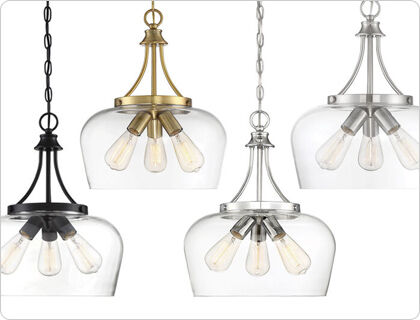
Step 4: Standardize Finishes to Improve Flexibility
One of the easiest ways to future-proof your lighting plan is to choose finishes that multiple brands can match:
- Matte black
- Brass
- Chrome
- Brushed nickel
These finishes are widely produced, making substitutions MUCH easier if something becomes unavailable. When clients choose highly specialized finishes like oil-rubbed bronze or uncommon patinas, they’re more likely to encounter lead-time issues.
Pro Move: Design with a flexible finish first—add personality through shape, scale, and layering.
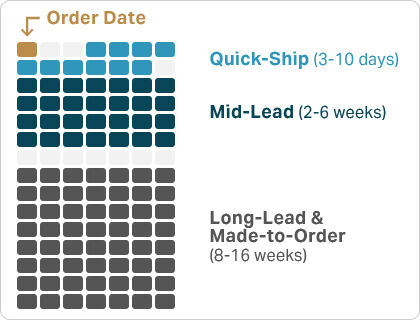
Step 5: Understand the Manufacturer Categories
Not all manufacturers have the same lead-time behaviors. In 2026, you can expect:
- Quick-Ship Brands: (3-10 days typical) Great for tight timelines.
- Mid-Lead Brands: (2-6 weeks typical) Reliable but require planning.
- Long-Lead or Made-to-Order Brands: (8-16+ weeks typical) High-end designs that require early commitment.
By understanding these categories, you avoid promising unrealistic deadlines to clients.

Step 6: Consolidate Orders to Reduce Delays
Split orders introduce risk. More shipments = more opportunities for:
- Breakage
- Freight delays
- Missing parts
- Lost boxes
By consolidating your fixtures into fewer shipments, you streamline communication and reduce the chances of surprises. Lighting New York’s Pro Team handles consolidation and tracking so you don’t have to manage multiple carriers.

Step 7: Use a Substitution Matrix for Every Project
A substitution matrix is a simple tool that shows:
- The original fixture
- The substitution option
- Matching finish
- Matching size
- Lead-time comparison
- Price comparison
It keeps you organized and helps clients make quick decisions if something changes.
Bonus: Clients feel more confident when they know you have a backup plan.

Step 8: Communicate Lead Times Up Front—Not When It’s Too Late
Clients handle delays surprisingly well when they are:
- Told early
- Told clearly
- Given alternatives
They struggle when information is delayed or incomplete.
A simple script works wonders: “Lighting lead times vary in early 2026. I’ll confirm availability early, identify any risks ahead of time, and provide substitutions if needed so your project stays on schedule.”
This sets expectations and builds trust.

Step 9: Inspect Deliveries Immediately
Even if deliveries arrive on time, issues can still happen:
- Wrong finish
- Missing parts
- Broken glass
- Damaged packaging
Always check shipments within 24-72 hours. This ensures any issues can be resolved before electricians arrive. Lighting New York’s Pro team replaces damaged items quickly, and early detection keeps your project on track.

Step 10: Work With a Lighting Partner Who Lives in This World Every Day
Managing lighting logistics solo can become overwhelming. But you don’t have to do it alone. Lighting New York’s Pro Team is built specifically to:
- Monitor availability
- Suggest alternatives
- Flag risks early
- Provide lead-time forecasts
- Manage consolidation
- Troubleshoot issues
- Reduce cancellations
- Protect your reputation
You stay focused on designing and building. We stay focused on making sure the lighting shows up right—and on time.
Frequently Asked Questions
Q: Why are lead times still unpredictable in 2026?
A: Demand patterns, global material constraints, rising customization, and limited production runs still affect availability.
Q: What is a typical lead time for lighting now?
A: Quick-ship items may take a week; standard fixtures often take 2–6 weeks; custom pieces can take 8–16 weeks.
Q: How can I avoid stock surprises?
A: Check availability before presenting options to clients.
Q: What’s the biggest mistake Pros make?
A: Waiting too long to order fixtures—waiting until finish selection is too late.
Q: How do I choose a good substitution?
A: Match finish, scale, lumen output, and design style.
Q: Should I avoid custom fixtures in 2026?
A: Not at all—just specify them early and manage expectations.
Q: Are certain finishes more likely to be delayed?
A: Yes—specialty finishes often have smaller production runs.
Q: How do I talk to clients about delays?
A: Be proactive, clear, and solution-focused.
Q: What should I do if a fixture arrives damaged?
A: Report it immediately so replacements can be sent without delaying electricians.
Q: Can LNY Pro monitor lead times for me?
A: Yes. The Pro Team checks stock daily, recommends alternatives, and tracks shipments.


Don’t Let Lead Times Slow Down Your 2026 Projects
Lighting doesn’t have to cause stress. With the right strategy—and the right partner—you can stay on schedule, reduce delays, and protect client relationships.
The Lighting New York Pro Team is here to give you:
Real-time stock updates
Lead-time forecasting
Substitution recommendations
Project consolidation
Fast issue resolution
Expert guidance tailored to designers, builders, and architects
Contact LNY Pro today to streamline your 2026 lighting projects and eliminate supply chain uncertainty.
We’ll help you stay ahead—so your projects finish strong.
Call 866-344-3875 today!