


Designing Lighting Plans Clients Actually Understand

Great lighting design can transform a home. It shapes how rooms feel, how people move through the space, and how everyday activities happen. But there’s a challenge many designers face.
Clients don’t always understand lighting plans.
To a designer, a lighting layout may feel clear and logical. But to a homeowner looking at a technical drawing filled with symbols and measurements, it can feel confusing. When clients don’t fully understand the plan, questions arise. Doubts appear. Revisions begin.
That’s why successful designers focus on more than the lighting itself. They also focus on how the lighting plan is explained.
When clients understand the purpose of each fixture, the value of layered lighting, and the reasons behind certain costs, the process becomes smoother. Projects move faster. And everyone feels confident in the decisions being made.
In this guide, we’ll explore how designers can present lighting plans in a way clients actually understand.
Why Lighting Plans Often Confuse Clients
Lighting design involves many decisions that happen behind the scenes.
Designers consider: fixture placement, light levels, task lighting needs, room layout, and architectural features.
But most clients don’t think about lighting in these terms. They usually imagine lighting as a simple choice: pick a fixture and install it. When clients see a lighting plan filled with symbols and notes, they may struggle to connect that plan to the finished room. That’s where communication becomes essential. Helping clients visualize the final result makes the entire process easier.

Start With the Big Picture
When presenting a lighting plan, it helps to begin with the overall goal rather than diving into technical details. Instead of saying, “We placed recessed fixtures here and sconces here,” try explaining the purpose of the design first.
For example: “This lighting plan is designed to make the kitchen bright and functional during cooking, while still creating a warm atmosphere for gatherings.”
This approach gives clients context. Once they understand the goal, the individual fixture decisions start to make more sense.
Show the Purpose of Each Fixture
One of the best ways to help clients understand a lighting plan is to explain what each fixture does. Every light in a room serves a role.
Designers often think in terms of lighting layers: ambient lighting, task lighting, accent lighting. But clients may not be familiar with these terms.
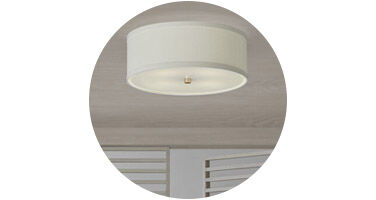
Ambient Lighting
Ambient lighting provides general illumination throughout the room.
Examples include recessed lights or ceiling fixtures.

Task Lighting
Task lighting focuses on specific activities.
Examples include undercabinet lighting in a kitchen or reading lights near a chair.
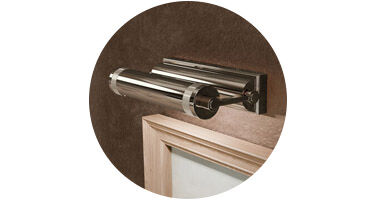
Accent Lighting
Accent lighting highlights features like artwork, architectural details, or textured walls.
When clients see how these layers work together, the lighting plan begins to feel purposeful rather than complicated.

Use Visual Examples
Words alone don’t always help clients visualize lighting. Images are powerful tools. Showing photos of completed spaces can help clients connect the plan to the final result.
For example:
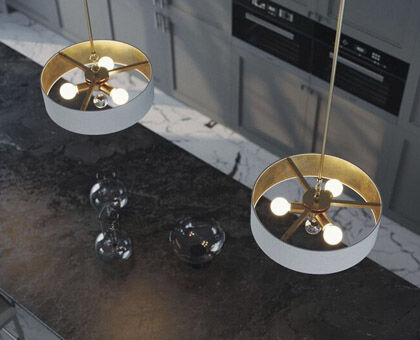
- A photo of pendant lights over a kitchen island
- A living room with layered lighting
- A hallway illuminated with wall sconces
These visuals act like windows into the future. Clients can imagine how their own space will look. It’s similar to showing a movie trailer before the film. The preview builds excitement and makes the story easier to follow.
Explain Fixture Placement Clearly
Clients often wonder why lights are placed in specific locations. For example, they may ask:
- "Why are there recessed lights here instead of there?"
- "Why are the pendants centered over the island?"
Designers can reduce confusion by walking clients through the logic.
For instance:
- Recessed lights are placed where people stand to prevent shadows on countertops.
- Pendant lights align with the center of the island to create balance.
- Wall sconces frame mirrors to provide even lighting for grooming.
These explanations help clients see that lighting placement is intentional.

Address Cost Differences Early
Lighting fixtures can vary widely in price. Some fixtures are simple and affordable. Others are crafted from premium materials and designed to be focal points. When clients see these differences without explanation, they may feel unsure. Designers can avoid this confusion by explaining why certain fixtures cost more.
For example:
- Decorative chandeliers often use higher-quality materials.
- Designer fixtures may involve more complex craftsmanship.
- Larger fixtures typically require more materials and engineering.
Helping clients understand the value behind a fixture makes the investment feel more reasonable.

Simplify Technical Drawings
Lighting plans are often shown using technical symbols. While these drawings are useful for electricians and contractors, they can overwhelm homeowners. One helpful approach is to pair technical drawings with simplified diagrams.
For example:
- Highlight important fixtures in color.
- Label key lights with simple descriptions.
- Provide a separate sheet with fixture photos.
This combination allows clients to understand both the design intent and the technical layout.

Walk Clients Through the Experience
Lighting plans make more sense when clients imagine how they will move through the space. Designers can guide clients through this experience.
For example:
“Imagine entering the kitchen in the morning. The recessed lights provide general brightness. The undercabinet lighting helps with food preparation. In the evening, the pendants create a warm glow over the island.”
This storytelling approach turns a technical plan into a real-life experience. And that makes it easier for clients to connect with the design.

Encourage Questions
Clients sometimes hesitate to ask questions because they feel unsure about the technical details. Creating a comfortable conversation helps prevent misunderstandings.
Designers can ask questions like:
- “Does this lighting plan make sense to you?”
- “Is there anything you’d like me to explain further?”
When clients feel comfortable asking questions, the project moves forward more smoothly.
Why Clear Lighting Plans Improve Projects
When clients fully understand their lighting plan, something important happens. Confidence replaces uncertainty. Instead of second-guessing decisions, clients feel excited about the design. They trust the process and the professional guiding it.
This clarity often leads to:
Fewer revisions
Faster approvals
Stronger relationships between designers and clients
In the end, clear communication doesn’t just improve the lighting plan. It improves the entire project experience.
Frequently Asked Questions
Q: Why do clients struggle to understand lighting plans?
A: Lighting plans often use technical drawings and symbols that homeowners are not familiar with.
Q: What is the best way to explain lighting plans?
A: Start with the overall goal of the lighting design and then explain the purpose of each fixture.
Q: What are the three main lighting layers?
A: Ambient lighting provides general light, task lighting supports activities, and accent lighting highlights design features.
Q: How can designers help clients visualize lighting?
A: Photos, diagrams, and sample fixtures help clients imagine the final result.
Q: Why is fixture placement important?
A: Proper placement ensures light is distributed evenly and prevents shadows.
Q: Should lighting plans include product images?
A: Yes. Including images helps clients connect the plan with real fixtures.
Q: Why do some lighting fixtures cost more than others?
A: Factors such as materials, size, design complexity, and craftsmanship influence price.
Q: Do lighting plans reduce construction problems?
A: Yes. Clear lighting plans help contractors install fixtures correctly and avoid mistakes.
Q: Should designers explain lighting layers to clients?
A: Yes. Understanding layered lighting helps clients appreciate the purpose of each fixture.
Q: How can designers reduce revisions in lighting plans?
A: Clear explanations, visual examples, and open communication can prevent misunderstandings.

Bring Your Lighting Vision to Life
Lighting plans should inspire confidence, not confusion.
When designers clearly explain fixture placement, layered lighting, and fixture value, clients feel more comfortable with the decisions being made. The project moves forward smoothly, and the final result reflects a thoughtful design.
If you’re working on a project and need help selecting fixtures or refining a lighting plan, the professionals at Lighting New York are ready to assist. Our lighting experts work closely with designers, builders, and homeowners to ensure lighting plans are both beautiful and practical.
Contact Lighting New York and let our team help bring clarity and confidence to your next lighting project.
Call 866-344-3875 today!