


Designing Lighting for Multi-Use Spaces in Modern Homes
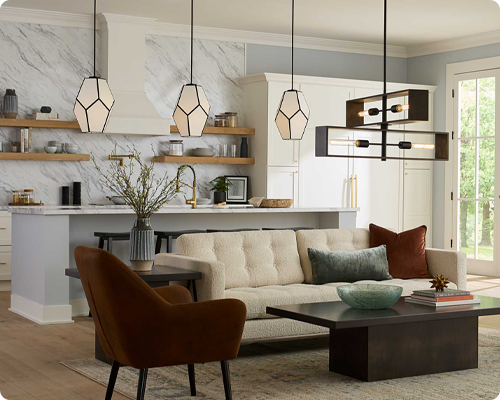
Walk into a modern home today and you may notice something different from houses built twenty years ago. Rooms no longer have just one purpose. A kitchen might also be a homework station. A dining table may double as a workspace. A living room might transform into a movie room at night.
Homes have become more flexible because the way people live has changed. Families cook, work, study, relax, and entertain in many of the same spaces. This shift creates a new challenge for designers and builders: How do you design lighting that works for multiple activities in the same room?
The answer lies in thoughtful lighting strategies that allow spaces to adapt throughout the day. When done well, lighting helps a room transform easily from one purpose to another. Let’s explore how designers approach lighting in today’s multi-use spaces.
Why Multi-Use Spaces Are Becoming the New Normal
Open floor plans and flexible living have reshaped modern home design. Many homes now feature spaces that combine several functions, including:
Kitchen and dining areas
Living rooms and media spaces
Home offices within shared rooms
Breakfast nooks used for schoolwork or meetings
These changes were accelerated by the rise of remote work and hybrid lifestyles. Because of this, lighting design must support different activities at different times of the day. Think of multi-use lighting like a dimmer on a radio. With a simple adjustment, the same device can shift from quiet background music to a lively playlist. Lighting should offer the same kind of flexibility.
The Role of Layered Lighting
One of the most effective strategies for multi-use spaces is layered lighting. Layered lighting combines different types of light sources that work together.
These layers typically include:
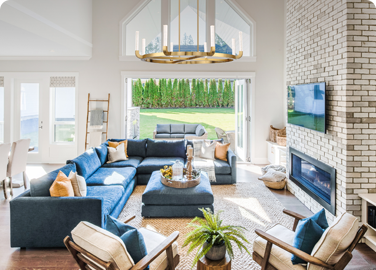
Ambient Lighting provides overall illumination for the room or space.
Examples include:
Recessed ceiling lights
Flush mount fixtures
Large chandeliers
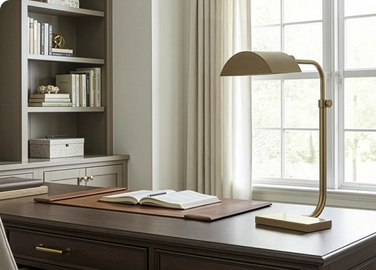
Task Lighting supports specific activities such as cooking, reading, or working.
Examples include:
Under-cabinet lighting
Desk lamps
Pendant lights over islands
Adjustable wall lights
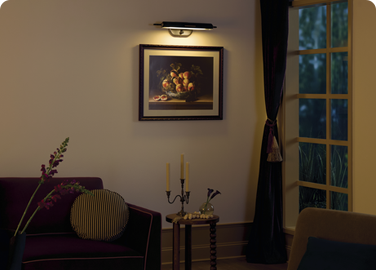
Accent Lighting adds visual interest and highlights design features.
Examples include:
Wall sconces
Display lighting
Artwork lighting
Lighting for Kitchen & Dining Hybrids
One of the most common multi-use spaces in modern homes is the kitchen-dining combination. These spaces often serve as cooking areas, family gathering spots, homework stations, and casual dining spaces. Lighting must support each of these activities.
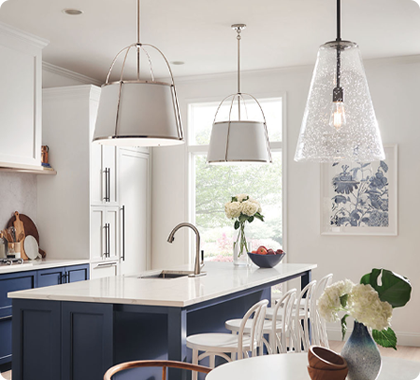
Pendant Lighting Over the Island
Kitchen islands often become the center of activity. Pendant lights provide focused task lighting while also acting as a decorative element. Proper placement helps ensure that food preparation and conversation areas remain well lit.
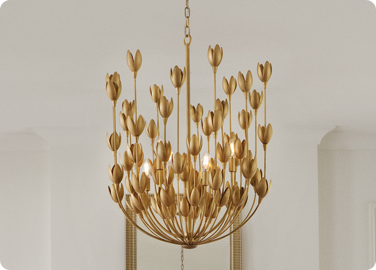
Dining Area Chandeliers
A chandelier over the dining table helps visually define the eating area within an open floor plan. Even in a large shared room, the chandelier signals that this area is meant for gathering and meals. Dimmers are particularly useful here, allowing the lighting to shift from bright family dinners to softer evening entertaining.
Under-Cabinet Lighting
Under-cabinet lighting improves visibility on kitchen counters. It also adds subtle ambient lighting that can be useful when overhead lights are dimmed.
Designing Lighting for Work-From-Home Areas
Remote work has made home offices an essential part of modern living. But not every home has a dedicated office. Many workspaces are integrated into other rooms, such as living rooms, bedrooms, and kitchen nooks. Lighting in these areas should support productivity.
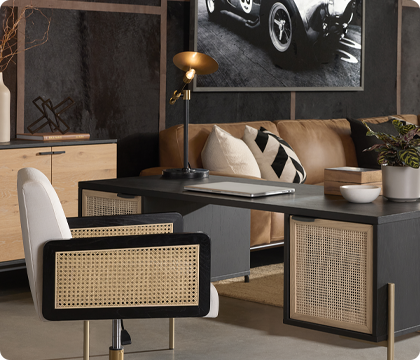
Desk Lighting
Task lighting at the desk provides focused illumination for reading, writing, and computer work. Adjustable desk lamps allow users to direct light exactly where it is needed.
Avoiding Harsh Shadows
Lighting placed directly behind a computer screen can cause glare or shadows. Designers often position lights beside the workspace to create balanced illumination.
Combining Work & Relaxation Lighting
Because the same room may serve as both an office and a relaxation area, dimmers can help shift the lighting from bright work mode to softer evening lighting.
Flexible Lighting for Living Rooms
Living rooms often serve several roles throughout the day. They may function as conversation areas, television rooms, reading spaces, and entertainment areas. Lighting must adapt to each of these uses.
Overhead Lighting
A central fixture or recessed lighting provides general illumination. This helps the room feel bright during daytime activities.
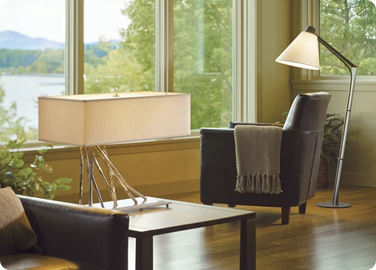
Table & Floor Lamps
Portable lighting adds flexibility. Table lamps and floor lamps allow homeowners to create focused light for reading or relaxing.
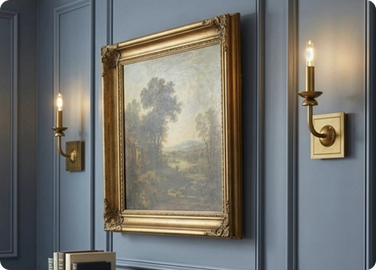
Wall Sconces
Wall sconces provide gentle accent lighting and help reduce reliance on overhead lights. This can create a more comfortable atmosphere during evening hours.
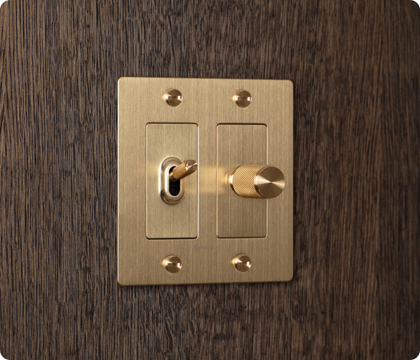
Using Lighting Controls for Flexibility
Lighting controls play a major role in multi-use spaces. Dimmers are one of the simplest and most effective tools. With dimmers, homeowners can easily adjust brightness levels depending on the activity.
For example:
- Bright lighting for cooking or working
- Moderate lighting for family gatherings
- Soft lighting for relaxing in the evening
Some homes also use smart lighting systems that allow scenes to be programmed for different activities.
Creating Visual Zones with Lighting
In open spaces, lighting can help define different areas without adding walls.
For example:
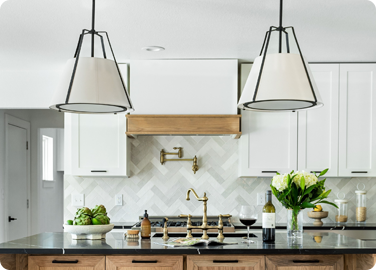
Pendant lights identify the kitchen island.
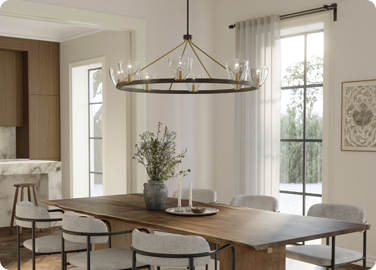
A chandelier marks the dining table.
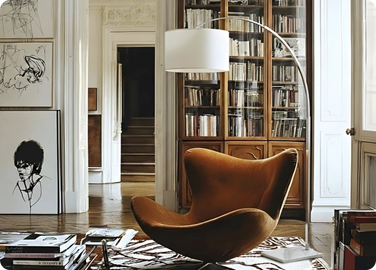
Floor lamps highlight a seating area.
Avoiding Common Lighting Mistakes in Multi-Use Spaces
Designers often watch for several common challenges when lighting flexible spaces.
Relying on a Single Light Source
A single overhead fixture cannot support all the activities in a multi-use room. Layered lighting is essential.
Ignoring Task Lighting
Without focused lighting, activities like cooking or working can become uncomfortable.
Overlighting the Space
Too many bright lights can make a room feel harsh. Using dimmers helps maintain balance.
Not Planning Lighting Early
Lighting plans work best when integrated into the design process early in construction or renovation.
Lighting That Adapts to Modern Living
Homes today must support many different lifestyles. Families cook together, children study nearby, and professionals work remotely—all within the same spaces. Lighting plays a critical role in making these environments functional and comfortable.
When designers use layered lighting, thoughtful fixture placement, and flexible controls, a single room can adapt seamlessly throughout the day. In many ways, lighting acts like the conductor of an orchestra. Each light source plays its own part, but together they create harmony within the space.
Frequently Asked Questions
Q: What is a multi-use space in a home?
A: A multi-use space is a room designed to support several activities, such as cooking, dining, working, or relaxing.
Q: Why is layered lighting important in multi-use spaces?
A: Layered lighting allows different light sources to support different activities within the same room.
Q: What lighting works best for kitchen islands?
A: Pendant lights provide focused task lighting and help define the island as a central workspace.
Q: How can lighting support work-from-home areas?
A: Task lighting at desks and balanced room lighting help improve visibility and reduce eye strain.
Q: Are dimmers important in flexible spaces?
A: Yes. Dimmers allow homeowners to adjust brightness levels depending on the activity.
Q: Can lighting help divide open floor plans?
A: Yes. Different fixtures can visually define areas such as kitchens, dining rooms, and seating spaces.
Q: What lighting works best for living rooms used for multiple activities?
A: A combination of overhead lighting, table lamps, and accent lighting works well.
Q: Should lighting be planned early in the design process?
A: Yes. Early planning ensures proper placement of electrical wiring and fixture locations.
Q: Can smart lighting systems help in multi-use spaces?
A: Smart lighting systems can allow homeowners to create preset lighting scenes for different activities.
Q: How do designers keep lighting balanced in large rooms?
A: By combining multiple light sources and using dimmers to control brightness.

Need Help Designing Lighting for Flexible Living Spaces?
The lighting professionals at Lighting New York work with designers, builders, and trade professionals every day to select fixtures that support modern lifestyles and flexible living spaces.
Whether you’re planning lighting for an open kitchen, a home office area, or a multi-use living room, contact the experts at Lighting New York. Our team is ready to help you find lighting solutions that work beautifully in today’s evolving homes.
Call 866.344.3875 today!