


2026: The State of Residential Lighting Design
Why lighting has become experience design—and what it means for interior designers, architects, and home builders.
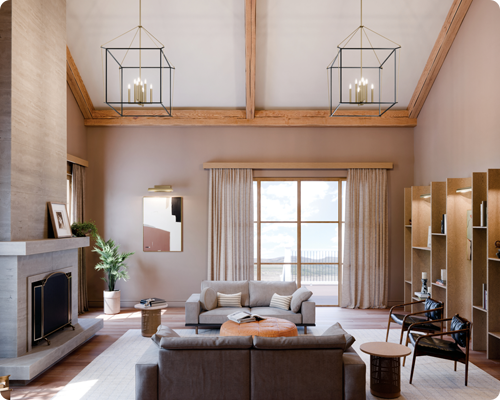
Residential lighting has reached an important turning point. For years, many homeowners approached lighting as a finishing touch. Choose a chandelier, add recessed lights, select a few sconces, and move on. That approach no longer tells the whole story.
Today, lighting influences how a home looks, feels, and functions. It helps create atmosphere, supports daily activities, and works alongside other home technologies.
The biggest change isn't simply what lighting can do. It's what clients increasingly expect lighting to do.
For design and building professionals, that creates an opportunity to deliver greater value and become more important to the project's success.
Lighting Is No Longer Just About Fixtures
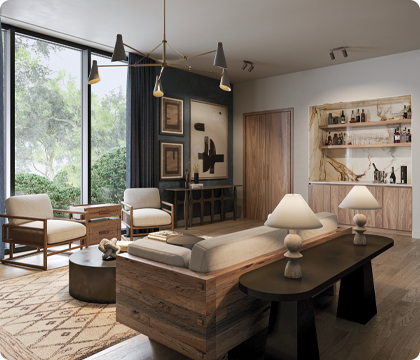
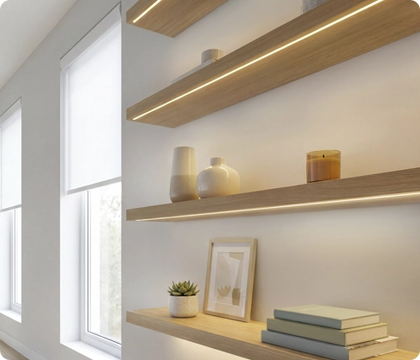
Consider two beautifully furnished living rooms. One has a single overhead light. The other combines soft background lighting, focused reading light, and carefully illuminated architectural details. The rooms may have identical furniture and finishes, but they won't feel the same.
Lighting is like the soundtrack to a great movie. It shapes the experience, even when you're not thinking about it. Industry research supports this changing perspective.
Lutron's 2026 Luxury Residential Trend Report found that 94% of surveyed residential designers and architects said their clients consider lighting highly important. Among affluent homeowners surveyed, 50% identified ambience as a priority.
The takeaway is clear: Lighting deserves a seat at the design table from the beginning, not a last-minute invitation.
The New Priority: How a Home Feels
Homeowners aren't simply purchasing lighting products. They're investing in experiences.
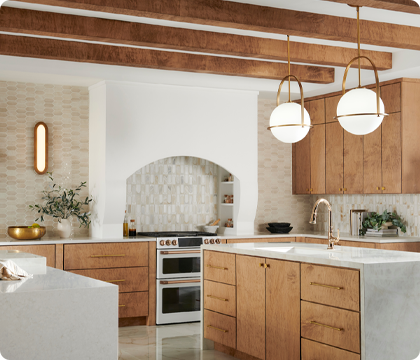
A kitchen needs bright, useful light for preparing meals. That same space may need softer lighting when friends gather around the island. A home office requires comfortable task lighting, while a bedroom benefits from lighting that supports a relaxing evening routine.
These needs call for layers of light rather than relying on one fixture or uniform ceiling illumination.
The opportunity for Pros: Start client conversations with activities and feelings before discussing products. Ask, "How do you want this room to feel at different times of day?" That question can change the entire project.
Wellness Is Becoming Part of the Design Discussion
Lighting's relationship with comfort, sleep routines, and the body's internal clock received greater attention in 2026. CEDIA published research examining human-centric lighting and how light affects human biology.
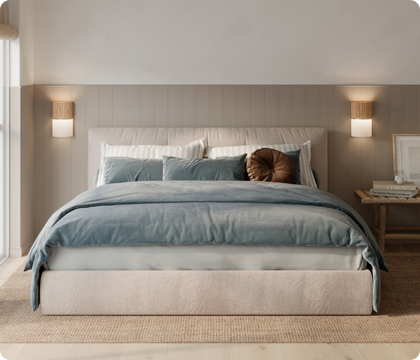
The important distinction is that good lighting supports people's needs, but wellness claims should not exceed what research can establish. A practical design approach includes appropriate brightness, comfortable evening lighting, daylight consideration, and controls that suit daily routines.
The opportunity for Pros: Help clients understand how lighting choices can support comfort and everyday living without making unsupported health promises.
Personalization Is Replacing One-Size-Fits-All Design
Today's homes often serve several purposes within the same room. A dining area may double as a workspace. A living room may host family movie nights, reading, and entertaining. Lighting must adapt accordingly.
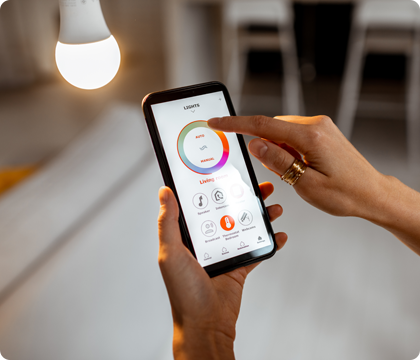
Adjustable brightness, separate lighting zones, and preset scenes can create flexibility without requiring homeowners to manage numerous switches. Interestingly, Lutron's research found that 60% of surveyed affluent homeowners adjust lighting based on mood or time of day, but only 9% use preset scenes. That difference points to an opportunity for better design and client education.
The opportunity for Pros: Show homeowners what personalized lighting actually does. A simple demonstration may communicate more value than a lengthy technical explanation.
Technology Must Serve the Design
Smart lighting, automated shades, and connected controls can improve convenience, but technology alone doesn't guarantee a successful result. Poorly planned systems may create confusing controls, incompatible products, or expensive installation changes. The goal should be technology that feels natural.
For architects and builders, this means discussing lighting requirements before electrical layouts are finalized. For designers, it means understanding when to collaborate with lighting or home-technology specialists.
The opportunity for Pros: Coordinate early and select systems around the client's needs, not simply the longest list of available features.

The Professional's Role Is Getting Bigger
This shift toward experience-driven lighting changes what clients need from their designers, architects, and builders. It's no longer enough to recommend attractive fixtures. Clients benefit from someone who can connect appearance with performance, comfort, controls, installation requirements, and budget.
That expertise also helps prevent common problems: fixtures that are incorrectly sized, incompatible dimmers, poorly located electrical boxes, or selections that arrive too late.
Your value isn't measured by how many fixtures you present. It's measured by how confidently you guide the decisions.
This is where professional lighting knowledge becomes a competitive advantage.

Better Lighting Planning Can Protect Profits
Thoughtful lighting design isn't just good for clients. It's good for business. Late product changes, incorrect specifications, repeated approvals, and installation surprises can consume hours that weren't included in the original project budget. A more disciplined approach helps protect those margins.
Before finalizing selections, establish the lighting budget, confirm important dimensions, review control requirements, and identify products with long lead times. Consider presenting fewer, better-qualified choices rather than overwhelming clients with endless options.
The opportunity for Pros: Build lighting decisions into your project process. Fewer surprises can mean smoother schedules, stronger client relationships, and less unpaid work.
Five Ways to Increase Your Lighting Value in 2027
You don't need to become a lighting engineer to make your services more valuable.
Start with five practical habits:
- Ask better questions. Understand how clients use their spaces before recommending fixtures.
- Plan earlier. Address lighting during design development, before construction limits your options.
- Design in layers. Balance general, task, accent, and decorative lighting.
- Explain the benefits. Help clients understand why your recommendations improve their experience.
- Choose strong partners. Work with suppliers and specialists who can help resolve technical and purchasing challenges.
These habits can separate a basic product-selection service from a more complete design experience.
Frequently Asked Questions
Q: What is experience-driven lighting design?
A: Planning lighting around how people use and feel in a space, not just fixture appearance.
Q: Why is residential lighting becoming more important?
A: Homeowners increasingly value comfort, ambience, personalization, and convenient controls.
Q: What is layered lighting?
A: Combining general, task, and accent illumination to support different activities.
Q: Does every home need smart lighting?
A: No. Controls should match the homeowner's needs, budget, and comfort with technology.
Q: What is human-centric lighting?
A: An approach that considers people's visual needs, daily routines, and biological responses to light.
Q: When should lighting planning begin?
A: During early design, before electrical and architectural decisions become difficult to change.
Q: How can interior designers demonstrate greater value?
A: Explain how lighting supports the overall design and improves the client's daily experience.
Q: How can builders reduce lighting-related delays?
A: Confirm specifications, product availability, and installation requirements before ordering.
Q: Can better lighting planning improve profitability?
A: Yes. Reducing errors, revisions, and unnecessary labor can help protect project margins.
Q: What should Pros prioritize in 2027?
A: Earlier planning, practical controls, client education, and dependable supplier relationships.
Looking Ahead: The Opportunity for Lighting Professionals
As 2026 comes to a close, residential lighting is becoming a more important part of how homes are designed and experienced. The opportunity isn't simply to sell more sophisticated lighting. It's to help clients make smarter decisions and enjoy better results.
Professionals who embrace that role can make their services more valuable, their projects easier to manage, and their businesses more competitive.

Make Lighting New York Your Lighting Partner
Whether you're designing a single room, planning a custom home, or managing multiple residential projects, you don't have to solve every lighting challenge alone. The Lighting New York Pro Team can help you explore product options, navigate specifications, source alternatives, and address purchasing challenges.
Contact the professionals at Lighting New York for help with your residential lighting needs. We're here to make your projects easier, your recommendations stronger, and your business more successful.
Call 866.344.3875 today!