


The 2026 Building Code + Energy Efficiency Updates
That Impact Lighting
If you’re a builder, architect, or designer, you already know that building codes don’t stand still. They shift every few years, sometimes in small ways, sometimes in ways that change everything about how you plan a project. As 2026 gets underway, new energy efficiency updates are here, and they’re shaping how lighting must be designed, specified, and installed.
Here’s the truth: you don’t have time to dig through hundreds of pages of code updates. But you do need to understand what affects your jobs, your budgets, and your timelines. So let’s make this simple. This guide walks you through the building code and efficiency changes that actually matter for lighting in 2026—without the jargon, without the confusion.
Think of this as your shortcut. Your head start. Your way of staying ahead of problems before they show up on the job site.
Why 2026 Matters for Builders, Designers, & Architects
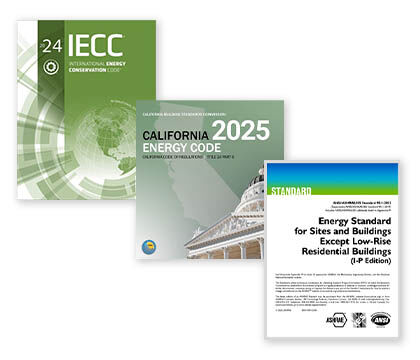
Every few years, we see updates to major codes like:
- The International Energy Conservation Code (IECC)
- ASHRAE 90.1 energy standards
- California Title 24 Part 6
- State-level energy incentive programs
- Federal efficiency rules for lighting products
And in 2026, the focus is clearer than ever: reduce energy use, improve light quality, and make buildings more efficient.
These changes don’t just affect commercial buildings anymore. They’re showing up in residential projects too, especially in states that adopt stricter versions of the IECC or follow California’s lead on energy efficiency.
So what does this mean for your lighting specs? It means:
More rules around lighting power allowances
More demand for high-efficiency LEDs
More controls requirements
More attention on lighting placement and performance
More pressure to document compliance
This might sound overwhelming, but once you understand the themes, everything becomes easier to work with.
Understanding the Big Updates for 2026
Let’s break down the changes into simple ideas you can apply right away.
Trend #1: Tighter Energy Standards for Lighting Power Density (LPD)
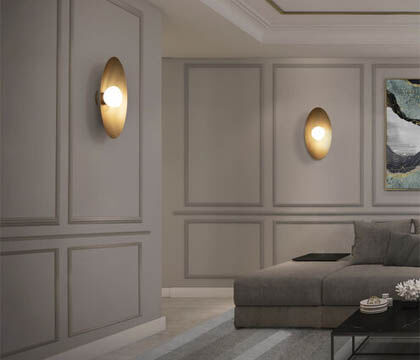
Lighting Power Density—how much wattage you can use per square foot—is becoming stricter across many states. The goal is to encourage designers and builders to pick efficient fixtures without sacrificing light quality.
What this means for you:
- You may need fewer fixtures or higher-efficiency ones
- You’ll rely on LED technology with stronger output and lower wattage
- You’ll need to avoid overspecifying oversized fixtures in tight LPD zones
Think of LPD like a budget. You’re allowed a certain “energy spend,” and you have to choose wisely.
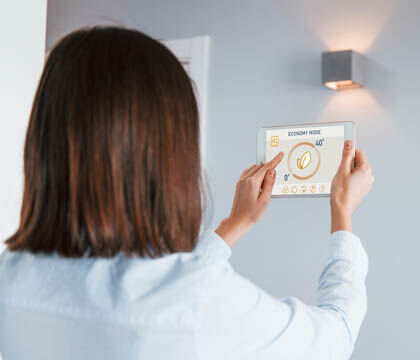
Trend #2: More Requirements for Lighting Controls
Automatic lighting controls are becoming a bigger part of energy codes. These aren’t just for large office spaces anymore—they’re showing up in smaller buildings and even residential environments.
You’ll see increased expectations for:
- Occupancy sensors
- Vacancy sensors
- Automatic shutoff
- Time-clock controls
- Dimming requirements
- Daylight-responsive controls in certain rooms
Controls aren’t just about efficiency. They help homeowners and end users enjoy better lighting experiences.
Trend #3: Emphasis on High-Quality LED Technology
By 2026, most incandescent and many fluorescent lamps will be phased out due to federal efficiency rules.
This means:
- LED is the standard, not the upgrade
- Higher minimum efficacy requirements (lumens per watt)
- Fewer low-efficiency decorative bulbs on the market
- Better long-term performance and color consistency
The upside? LEDs today look better, last longer, and use far less power.
Trend #4: Title 24 Continues to Lead the Industry
Even if you don’t work in California, Title 24 rules shape national lighting design.
For 2026, the emphasis continues to be on:
- High-efficacy fixtures
- JA8-certified lamps in residential settings
- Air-tight recessed cans
- Vacancy sensors in many spaces
- Dedicated lighting control zones
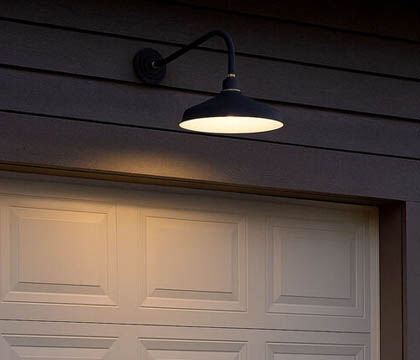
Trend #5: More Attention on Exterior Lighting Efficiency
Outdoor lighting regulations are tightening as communities push for:
- Lower energy use
- Reduced light pollution
- Dark sky compliance
Expect more rules around:
- Shielding
- Directional control
- Color temperature limits (often 3000K or warmer)
- Lower wattage caps
Good exterior lighting helps clients feel safe while still protecting the night sky. And it's becoming a mandatory part of many local codes.
Why These Changes Matter for Your Projects
Lighting is one of the easiest places to overspend—and one of the easiest places to get into trouble with inspectors.
These updates matter because they affect:
The fixtures you choose
How many fixtures you use
Where you place them
What controls you need
Your total electrical load
Compliance inspections
Project timelines
Client communication
Most problems aren’t caused by bad design. They’re caused by unclear expectations.
Think of compliance like building a bridge. If one piece is off—just one component out of alignment—the whole structure becomes unstable. But when everything ties together, the project moves smoothly from design to inspection to installation.
How Designers, Builders, & Architects Can Stay Ahead
You don’t have to know every detail of every code. But knowing the direction of these changes helps you plan smarter.
Here’s what you can do:
1. Start with high-efficacy fixtures
Choose lighting that meets or exceeds today’s efficiency standards. You won’t have to worry about redesigning later.
2. Plan your lighting controls early
Don’t wait until the last week of the project to add dimmers or sensors.
3. Coordinate with your electrician
Electricians often catch control and wiring issues long before installation. A quick conversation can save a lot of frustration.
4. Streamline your specifications
Pick fixtures that are certified for your state’s requirements—especially if you’re in a stricter region.
5. Lean on reliable suppliers
A partner who knows the codes reduces headaches. Lighting New York’s Pro team does this every day.
Frequently Asked Questions
Q: Are LEDs required for all projects in 2026?
A: Most states don’t explicitly require LEDs, but federal efficiency rules make LEDs the only realistic choice for compliance.
Q: Do all rooms need occupancy sensors now?
A: Not all, but many commercial spaces and some residential areas require them. Requirements vary by state.
Q: What color temperatures meet code?
A: There are no strict national rules, but many local codes and dark-sky ordinances prefer 3000K or warmer outdoors.
Q: Is Title 24 only for California?
A: Yes, but its influence spreads nationwide as other states adopt similar standards.
Q: How do I know if a fixture meets high-efficacy requirements?
A: Look for manufacturer specifications listing lumens per watt, JA8 certification, or DLC/ENERGY STAR listings.
Q: Are recessed lights still allowed?
A: Yes, but air-tight, IC-rated, and high-efficacy versions may be required depending on the code.
Q: Can decorative fixtures meet the new standards?
A: Many can. Decorative LED bulbs and integrated LEDs now meet high efficacy with excellent light quality.
Q: Are exterior lighting rules changing too?
A: Yes. More communities are adopting dark-sky guidelines, especially for new construction.
Q: Do I need dimmers to meet code?
A: In many states, yes. Dimmers or automatic controls are required in several room types.
Q: Can I mix high-efficacy and regular fixtures in a project?
A: Yes, but your total Lighting Power Density must still fall under the code requirement, and some states require all fixtures in certain rooms to meet efficacy rules.
You Don’t Have to Tackle Codes Alone


Building codes can feel overwhelming, but you don’t have to master them to stay compliant. You just need a trusted lighting partner who understands how these changes impact real projects—budget, performance, and inspection.
Lighting New York’s Pro team is here to help you navigate the 2026 updates with confidence. Whether you’re writing specs, choosing fixtures, or planning controls, our experts are ready to guide you.
Contact the LNY Pro team today for support with any lighting questions, code challenges, or project needs.
Let’s build smarter, more efficient spaces together.
Call 866-344-3875 today!