


The Designer’s Guide to Specifying Sustainable Lighting
for 2026 Clients
Sustainability is no longer a “nice to have.”
In 2026, it’s an expectation.
Clients are asking smarter questions. They want homes that look beautiful and align with their values. They care about energy use, longevity, materials, and waste—even if they don’t always use those exact words.
And when they ask, designers are expected to have answers.
The good news?
Sustainable lighting doesn’t mean sacrificing style, comfort, or creativity. In fact, when done well, it makes your designs more intentional, more future-ready, and more compelling.
Think of sustainable lighting like smart nutrition. It’s not about cutting everything out—it’s about choosing what actually fuels long-term health. This guide will help you confidently specify lighting in 2026 that supports the planet, satisfies clients, and strengthens your role as a trusted expert.
Why Sustainable Lighting Matters More in 2026
Several forces are shaping client expectations:
Rising energy costs
Increased awareness of climate impact
Longer home ownership timelines
Wellness-focused lifestyles
Local and state energy regulations
Desire for long-lasting, low-maintenance homes
Clients may not ask, “Is this luminaire sustainably manufactured?”
But they will ask:
“Will this last?”
“Is this energy efficient?”
“Will I need to replace this in five years?”
Sustainable lighting answers those questions before they’re even asked.
What “Sustainable Lighting” Really Means
Sustainable lighting is often misunderstood. It’s not just about LEDs.
In 2026, truly sustainable lighting considers five key factors:
Energy efficiency
Product lifespan
Material choices
Maintenance and serviceability
Responsible manufacturing and shipping
A fixture doesn’t need to check every box to be a good choice—but the more it does, the stronger your specification becomes.
1. Energy Efficiency: The Foundation of Sustainable Lighting
Energy efficiency is still the most visible sustainability benefit—and the easiest to explain to clients.
What to Look for in 2026:
- High lumens per watt
- ENERGY STAR–rated fixtures where applicable
- Advanced LED chips with lower wattage output
- Fixtures that meet or exceed local energy codes
How to Explain It to Clients:
“This fixture gives you the same brightness using significantly less energy, which lowers long-term operating costs.”
Simple. Clear. Reassuring.
2. Longevity: The Most Overlooked Sustainability Factor
A fixture that lasts 20 years is more sustainable than one that needs replacing every five—even if both are energy efficient.
Key Longevity Indicators:
- Quality drivers
- Strong warranties
- Reputable manufacturers
- Proven track records
Designer Insight:
Frequent replacements create waste, cost money, and frustrate homeowners. Long-lasting fixtures reduce all three. Longevity is sustainability clients can feel over time.
3. Integrated LED vs. Replaceable Light Sources
This is one of the most common sustainability questions designers face.
Integrated LED Pros:
- High efficiency
- Sleek design
- Fewer bulb replacements
- Better optical control
Integrated LED Considerations:
- Driver quality matters
- Accessibility matters
- Not all fixtures are serviceable
Use Integrated LEDs Where:
- Fixtures are accessible
- Manufacturers offer serviceable components
- The design benefits from it
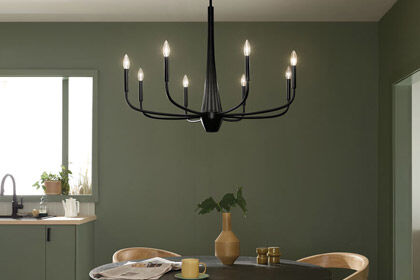
Replaceable LED Bulb Pros:
- Easy maintenance
- Longer flexibility
- Less waste if only the bulb fails
Use Replaceable Bulbs Where:
- Fixtures are hard to reach
- Long-term flexibility matters
- Clients prefer service simplicity
There’s no one-size-fits-all answer—and that’s where your expertise shines.
4. Materials Matter
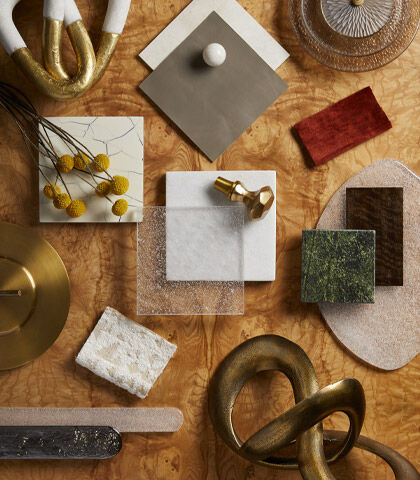
The materials used in lighting fixtures impact sustainability more than most clients realize.
More Sustainable Material Choices:
- Solid brass
- Steel
- Aluminum
- Glass
- Ceramic
These materials last longer, are often recyclable, and perform better in harsh environments.
Materials to Be Cautious With:
- Low-grade plastics
- Thin composite metals
- Poorly coated finishes
When fixtures fail early due to material quality, sustainability is lost—no matter how efficient the LED is.
5. Sustainable Finishes = Fewer Replacements
Finish trends change—but some finishes age better than others.
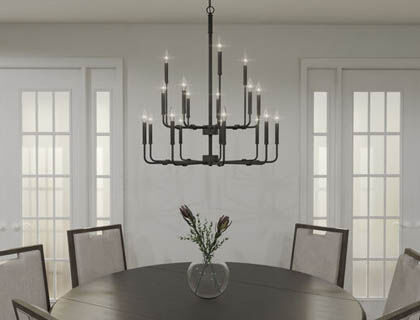
Timeless, Sustainable Finishes:
- Matte black
- Brushed nickel
- Soft brass
- White or neutral tones
These finishes age gracefully, work across styles, and reduce the urge to replace fixtures for aesthetic reasons.
Designing with longevity in mind is one of the most sustainable moves a designer can make.
6. Smarter Lighting Controls Reduce Energy Use Automatically
Sustainability isn’t just about fixtures—it’s about how they’re used.
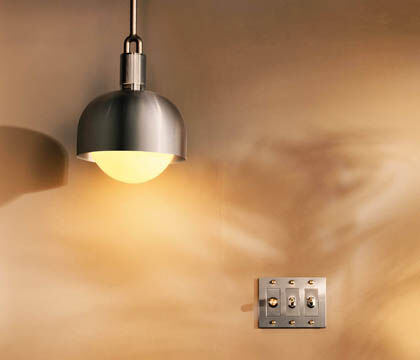
Controls That Support Sustainability:
- Dimmers
- Occupancy sensors
- Vacancy sensors
- Timers
- Dusk-to-dawn sensors
- Smart controls
These reduce wasted energy without requiring clients to “think” about it.
A sustainable home is one that works with the homeowner, not against them.
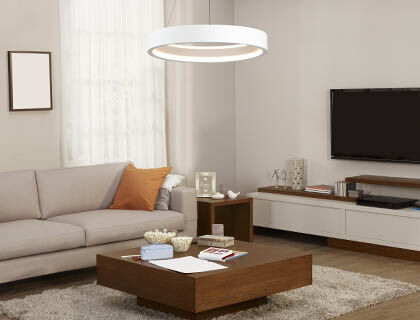
7. Tunable White & Wellness-Driven Sustainability
Wellness and sustainability are increasingly connected.
Tunable White Lighting Supports:
- Healthy sleep cycles
- Reduced reliance on artificial light during the day
- Better alignment with natural daylight
When lighting supports human health, it becomes part of a sustainable lifestyle—not just an energy strategy.
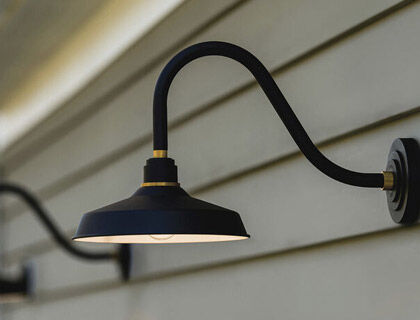
8. Outdoor Lighting: Sustainable When Done Thoughtfully
Outdoor lighting often gets overdone—but it doesn’t need to.
Sustainable Outdoor Lighting Principles:
- Use the minimum light needed
- Avoid light pollution and glare
- Choose shielded fixtures
- Use warm color temperatures
- Automate with timers or sensors
This protects energy usage, night skies, wildlife, and neighbor relationships.
Sustainability outdoors is as much about restraint as it is about technology.

9. Shipping, Lead Times & Thoughtful Procurement
Sustainability also includes how products move from factory to home.
Designers can reduce environmental impact by:
- Consolidating orders
- Avoiding unnecessary rush shipping
- Selecting readily available products
- Reducing returns through accurate specs
Good planning is sustainable planning.

10. How to Talk About Sustainable Lighting Without Sounding Technical
Clients don’t want a lecture. They want confidence.
Instead of technical terms, focus on outcomes:
- “This uses less energy.”
- “This will last longer.”
- “This reduces maintenance.”
- “This supports comfort and wellness.”
When sustainability feels practical, clients embrace it.
Common Sustainability Myths Designers Should Avoid
Myth 1
“Sustainable lighting is more expensive.”
Not when lifecycle costs are considered.
Myth 2
“Eco-friendly means boring.”
Some of the most beautiful fixtures in 2026 are also sustainable.
Myth 3
“Clients don’t care.”
They care more than they say.
Sustainable Lighting Is a Design Advantage
Designers who understand sustainable lighting:
Win client trust faster
Reduce callbacks and replacements
Create future-ready homes
Position themselves as thoughtful experts
Sustainability isn’t a limitation—it’s a differentiator.
Frequently Asked Questions
Q: Is LED lighting always sustainable?
A: Only when quality, lifespan, and usage are considered.
Q: Are integrated LEDs bad for sustainability?
A: Not when they’re well-designed and long-lasting.
Q: What color temperature is most sustainable?
A: The one that supports function and reduces unnecessary usage—typically 2700K–3000K in homes.
Q: Do dimmers really save energy?
A: Yes. Lower output means lower energy use.
Q: Should I prioritize ENERGY STAR fixtures?
A: They’re a strong starting point, especially in residential projects.
Q: Is sustainable lighting more expensive upfront?
A: Sometimes—but often less expensive over time.
Q: How does lighting affect wellness sustainability?
A: Better lighting reduces fatigue, stress, and poor sleep.
Q: Is outdoor lighting bad for sustainability?
A: Only when overused or poorly designed.
Q: Do sustainable fixtures limit design options?
A: No. Options are broader than ever in 2026.
Q: Can LNY Pro help with sustainable lighting specs?
A: Yes. Sustainability is part of how we support designers every day.


Ready to Specify Sustainable Lighting With Confidence in 2026?
You don’t need to compromise beauty for sustainability.
And you don’t need to navigate eco-conscious choices alone.
The Lighting New York Pro Team helps designers:
Identify energy-efficient, long-lasting fixtures
Balance sustainability with style and budget
Navigate LED options and controls
Build lighting plans clients feel good about
Contact LNY Pro today to create lighting designs that are beautiful, responsible, and future-ready.
Let’s help your 2026 projects shine—sustainably.
Call 866-344-3875 today!